قد تبدو مجموعة كابينة الحفار مكتملة في صورة عرض السعر بينما لا تزال تُغفل الأجزاء التي تتحكم في وقت التركيب ورؤية المشغّل والتكلفة النهائية. قد يقدّم أحد المورّدين عرضاً لهيكل مطلي مع زجاج. وقد يضمّ مورّد آخر الباب ونظام المساحة والتمديدات الكهربائية وقاعدة المقعد والتشطيبات الداخلية ومكوّنات التحكم في المناخ. ومقارنة هذين السعرين دون نطاق مكتوب تُنشئ مقارنة مضللة.
تبدأ عملية الشراء الموثوقة بثلاثة عناصر: هوية الآلة الدقيقة، ومصفوفة التضمين والاستبعاد، والأدلة الخاصة بكل واجهة يجب أن تتصل بالآلة. يحوّل هذا الدليل الشرائي تلك العناصر إلى طلب عرض سعر وعملية قبول. وهو ينطبق سواء كنت تراجع كتالوج كابينة الحفار الواسع أو تطلب عرض سعر خاصاً بطراز محدد.
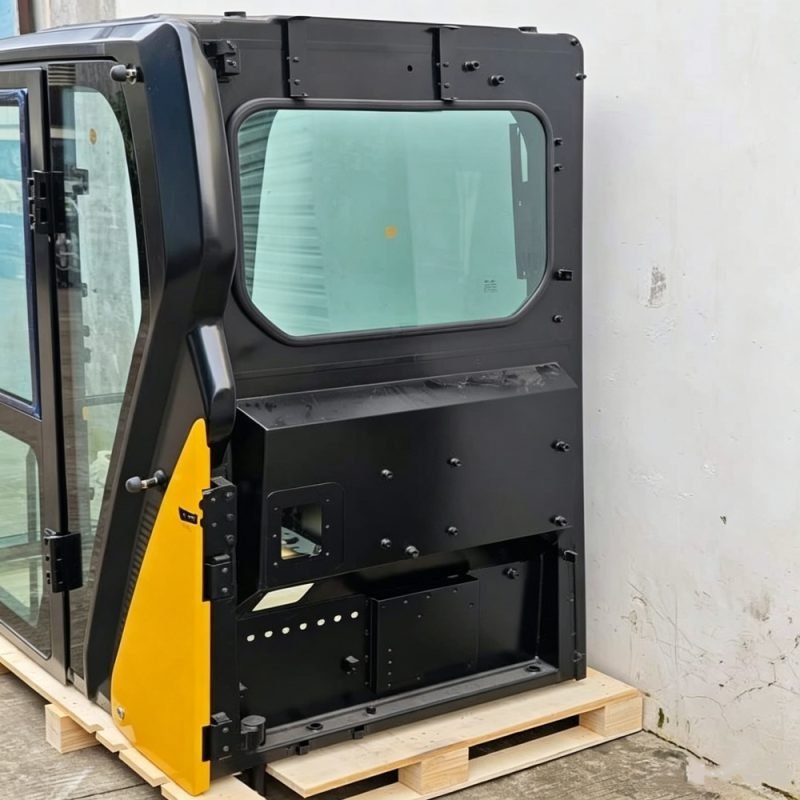
حدّد نطاق التوريد قبل مقارنة عروض الأسعار
“عبارات ”مجموعة الكابينة“ و”الكابينة الكاملة“ و”هيكل الكابينة" ليست دقيقة بما يكفي لأمر الشراء. اطلب من كل مورّد أن يحدّد كل بند في ورقة النطاق المشتركة بأنه مشمول أو مستبعد أو اختياري أو مُعاد استخدامه من الآلة القديمة. واطلب صوراً حديثة للتكوين المعروض بدلاً من التعامل مع صورة الكتالوج كقائمة تغليف نهائية.
برنامج ترقية الكابينة الرسمي من Caterpillar, ، على سبيل المثال، يصف كابيناته بأنها مجمّعة بالكامل وينشر مراجع الطراز والسلسلة وبادئة الرقم التسلسلي ورقم القطعة. وهذا دليل مفيد على مستوى التفصيل الذي يمكن أن يبلغه برنامج كابينة محدد. لكنه لا يثبت محتوى أو توافق كابينة طرف ثالث، لذا احصل على نفس مستوى الوضوح للعنصر الذي تشتريه فعلاً.
| بند طلب عرض السعر | ما ينبغي للمورّد تأكيده | لماذا يغيّر المقارنة |
|---|---|---|
| الهيكل والألواح | الإطار الرئيسي والسقف والأرضية واللوح الخلفي والألواح الجانبية وحالة الطلاء | يفصل بين الهيكل والمجموعة المركّبة |
| الباب والزجاج | الباب والمفصلات والمزلاج والأقفال والحشوات والزجاج الأمامي/الخلفي/الجانبي والنوافذ القابلة للفتح | فقدان الأجزاء المعدنية قد يؤخّر الإحكام والتشغيل |
| محطة المشغّل | المقعد والقاعدة وحوامل الكونسول والدواسات وحصيرة الأرضية والتشطيبات الداخلية | يوضّح ما يجب نقله من الكابينة القديمة |
| المعدات الكهربائية | الضفيرة والموصلات والمصابيح والمفاتيح وتجهيز الشاشة وعناصر المصاهر/المرحّلات | غالباً ما تظهر اختلافات الموصلات وأدوات التحكم أثناء التركيب |
| التكييف والرؤية | وحدة التكييف والمجاري وأدوات التحكم ومحرك المساحة والأذرع وأجزاء الغسّالة والمرايا وحوامل الكاميرا | تؤثر هذه العناصر في التشغيل اليومي والقبول النهائي |
| عناصر التركيب | الحوامل والوسائد والدعامات والمثبّتات والخراطيم والحلقات المطاطية وحشوات العبور | الواجهات الصغيرة المُغفلة قد توقف عملاً مكتملاً في ما عدا ذلك |
ثبّت هوية الآلة وبيانات الواجهات
قد يغطي اسم الطراز وحده سلاسل إنتاج مختلفة أو تكوينات إقليمية. ضع على طلب عرض السعر الطراز الكامل للآلة والرقم التسلسلي وبادئة الرقم التسلسلي وأي رقم متاح للكابينة أو الهيكل. وأضف صوراً واضحة للوحة الآلة والكابينة القديمة الكاملة وكل نقطة تثبيت. وإذا كانت الكابينة القديمة تالفة، صوّر الواجهات غير التالفة بشكل منفصل.
صفحات الكتالوج مثل مجموعة كابينة CAT 320GC, مجموعة كابينة Komatsu PC200-7 و مجموعة كابينة Doosan DH225-7 تساعد في تحديد عائلة المنتج المقصودة. وهي نقاط انطلاق للاستفسار، وليست دليلاً على أن كل آلة تحمل اسم الطراز هذا تستخدم الواجهات نفسها. يجب أن تشير موافقة التوافق الكتابية إلى حزمة البيانات التي قدّمها المشتري.
| الأدلة الواجب إرسالها | التفصيل الواجب توثيقه | رد المورّد المطلوب |
|---|---|---|
| لوحة الآلة | الطراز والرقم التسلسلي الكامل والبادئة القابلة للقراءة | تكرار الهوية في عرض السعر وتأكيد الطلب |
| نظرة عامة على الكابينة القديمة | الأمام والخلف والجانبان والسقف والأرضية وفتحة الباب | مقارنة مشروحة مقابل الكابينة المعروضة |
| نقاط التثبيت | Hole pattern, bracket shape, cushion position and reference dimensions | Marked drawing or matching photos |
| Harness and controls | Connector faces, pin count, labels, monitor and switch panels | List of direct connections, adaptations and reused parts |
| HVAC and hoses | Ports, hose routing, ducts, drain and control type | Interface statement and supplied fittings |
| Attachments | Mirrors, lamps, antenna, camera and guard mounting points | Included brackets and any drilling or fabrication required |
Treat protective-structure claims as document questions
A cab enclosure and an operator protective structure are related, but they are not automatically the same claim. The exact machine, cab frame, guard configuration and intended operating risk determine which documents are relevant. A photo, decal or general statement such as “guard ready” does not identify the tested structure.
ISO 10262 covers laboratory tests and performance requirements for operator protective guards on hydraulic excavators. ISO 12117-2 addresses roll-over protective structures for certain hydraulic excavators where a rollover risk exists. Their presence in an RFQ should prompt specific questions, not a blanket assumption that either standard applies to every replacement cab.
Ask the supplier to identify the exact structure covered by any declaration or test report, the machine range or configuration named in the document, and whether later welding, drilling or guard installation affects that statement. Have the responsible safety or engineering person review the documents against local rules and the machine’s intended work. Do not release an order on an undefined “ROPS/FOPS” line in a quotation.
Check visibility, access and operator interfaces
Cab replacement changes more than the enclosure. Glass tint, window openings, seals, wiper sweep, mirror brackets and camera positions can affect what the operator sees. The UK Health and Safety Executive’s guidance on safe manoeuvring says windows and mirrors should be clean, unobstructed and in good repair. For a buyer, that supports a practical acceptance rule: inspect the complete field of view with the machine assembled, rather than approving glazing from a pallet photo.
Also compare the door opening, steps, handholds, emergency exit arrangement, seat mounting and control clearances. Confirm that the door latches securely in its normal positions and that seals sit evenly. Switches, pedals, joysticks and displays should move through their full range without contact with panels or trim. Any part transferred from the original cab should appear in the work instruction and labor estimate.
Plan packing and receiving inspection
Put packing requirements into the order before the cab is collected. Ask for protection around glass edges, door frames, roof corners, connectors, hose ports and protruding brackets. The cab should be secured through suitable structural points, with loose parts identified and packed so they cannot strike glazing or painted surfaces. Request packing photos that show the cab before wrapping, the protected interfaces and the completed crate or pallet.
At receipt, inspect the package before unloading and record any external damage. Then compare the unit with the approved scope sheet while the packing list is available. Photograph the serial or identification markings, all sides, glass, door operation, connectors, mounts and loose accessories. Report shortages or transit damage promptly under the agreed sales and carrier procedures. Avoid installation until obvious shipping damage, missing parts or identity conflicts have been resolved in writing.
Put installation acceptance in the purchase order
The quotation should say what counts as an accepted cab. A visual match on the ground is insufficient. Define checks that can be completed after mounting and connection, and assign responsibility for any adaptation. If a local installer will perform the work, let that team review the RFQ before purchase so it can identify measurements, lifting points, seals, connectors and transferred components that the buyer may miss.
| Acceptance stage | الفحص | Evidence to retain |
|---|---|---|
| Before installation | Identity, dimensions, mounting points, supplied scope and transit condition | Receiving photos and signed scope sheet |
| Mechanical fit | Mount seating, clearances, door operation, seals and panel alignment | Installed photos and exception list |
| Electrical/HVAC | Connector fit, lights, wipers, washer, controls, blower and required instruments | Functional test record |
| Operator review | Access, seat/control clearance, visibility, mirrors and camera view | Commissioning checklist |
| Closeout | Loose parts, reused parts, modifications and documents reconciled | Final acceptance signed by responsible personnel |
Buyer checklist before order release
- Record the full machine model, serial number and serial prefix.
- Send machine-plate, old-cab, mount, connector, HVAC and control photos.
- Require an included, excluded, optional or reused answer for every scope line.
- Obtain marked interface evidence and written fitment confirmation.
- Review any protective-structure claim against the exact structure and intended use.
- Define glazing, wiper, mirror, camera, access and control acceptance checks.
- Approve packing protection, loose-part control and pre-dispatch photos.
- Put receiving, installation and closeout evidence into the purchase order.
A strong excavator cab assembly order is a controlled package, not a model name and a photograph. Send Hongtengda your machine plate, cab photos, required scope matrix and interface details. The quotation can then state what is supplied, what must be reused and which fitment points still need buyer verification before the order is released.