Ένα συγκρότημα καμπίνας εκσκαφέα μπορεί να φαίνεται πλήρες σε μια φωτογραφία προσφοράς, ενώ ακόμη παραλείπει τα εξαρτήματα που καθορίζουν τον χρόνο εγκατάστασης, την ορατότητα του χειριστή και το τελικό κόστος. Ένας προμηθευτής μπορεί να προσφέρει ένα βαμμένο κέλυφος με υαλοπίνακες. Ένας άλλος μπορεί να περιλαμβάνει την πόρτα, το σύστημα υαλοκαθαριστήρα, την καλωδίωση, τη βάση καθίσματος, την εσωτερική επένδυση και τα εξαρτήματα κλιματισμού. Η σύγκριση αυτών των δύο τιμών χωρίς γραπτό πεδίο εφαρμογής δημιουργεί ψευδή σύγκριση.
Μια αξιόπιστη αγορά ξεκινά με τρία στοιχεία: την ακριβή ταυτότητα του μηχανήματος, έναν πίνακα συμπερίληψης-αποκλεισμού και αποδεικτικά στοιχεία για κάθε διεπαφή που πρέπει να συνδεθεί με το μηχάνημα. Αυτός ο οδηγός αγοραστή μετατρέπει αυτά τα στοιχεία σε διαδικασία RFQ και αποδοχής. Ισχύει είτε εξετάζετε έναν ευρύ κατάλογο καμπινών εκσκαφέων είτε ζητάτε προσφορά για συγκεκριμένο μοντέλο.
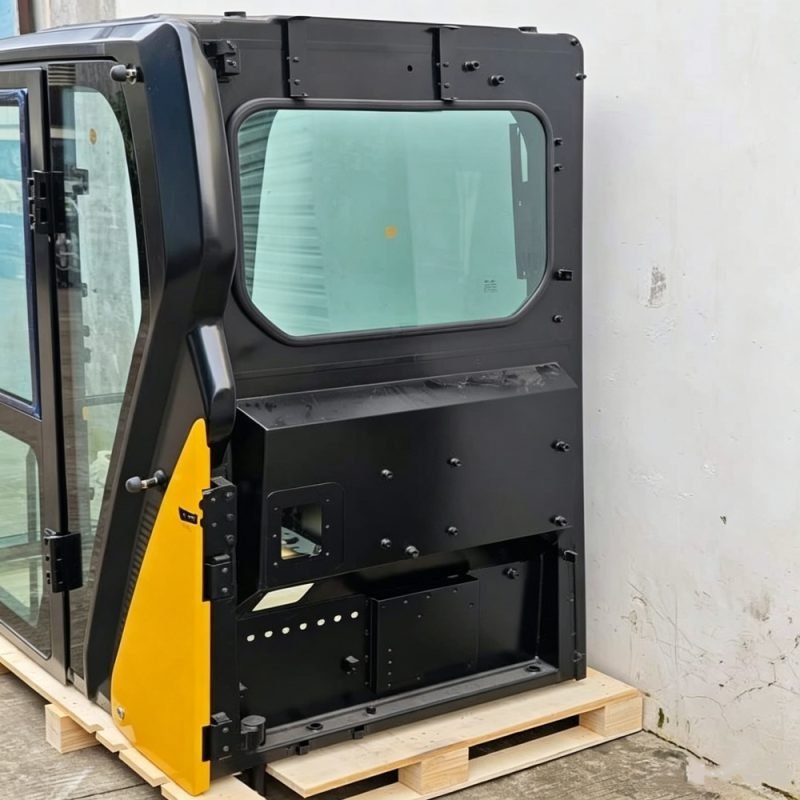
Καθορίστε το πεδίο προμήθειας πριν από τη σύγκριση προσφορών
“Οι όροι ”συγκρότημα καμπίνας“, ”πλήρης καμπίνα“ και ”κέλυφος καμπίνας» δεν είναι αρκετά ακριβείς για μια παραγγελία αγοράς. Ζητήστε από κάθε προμηθευτή να χαρακτηρίσει κάθε γραμμή ενός κοινού φύλλου πεδίου εφαρμογής ως περιλαμβανόμενη, εξαιρούμενη, προαιρετική ή επαναχρησιμοποιούμενη από το παλιό μηχάνημα. Απαιτήστε τρέχουσες φωτογραφίες της προσφερόμενης διαμόρφωσης αντί να θεωρείτε μια φωτογραφία καταλόγου ως την τελική λίστα συσκευασίας.
Το επίσημο πρόγραμμα αναβάθμισης καμπίνας της Caterpillar, για παράδειγμα, περιγράφει τις δικές της καμπίνες ως πλήρως συναρμολογημένες και δημοσιεύει αναφορές μοντέλου, σειράς, προθέματος σειριακού αριθμού και αριθμού εξαρτήματος. Αυτό αποτελεί χρήσιμη απόδειξη του πόσο λεπτομερές μπορεί να είναι ένα καθορισμένο πρόγραμμα καμπίνας. Δεν τεκμηριώνει το περιεχόμενο ή τη συμβατότητα καμπίνας τρίτου κατασκευαστή, επομένως αποκτήστε το ίδιο επίπεδο σαφήνειας για το είδος που πραγματικά αγοράζετε.
| Γραμμή RFQ | Τι πρέπει να επιβεβαιώσει ο προμηθευτής | Γιατί αλλάζει τη σύγκριση |
|---|---|---|
| Δομή και πάνελ | Κύριο πλαίσιο, οροφή, δάπεδο, πίσω πάνελ, πλευρικά πάνελ και κατάσταση βαφής | Διαχωρίζει ένα κέλυφος από ένα εγκατεστημένο συγκρότημα |
| Πόρτα και υαλοπίνακες | Πόρτα, μεντεσέδες, μάνδαλο, κλειδαριές, στεγανοποιήσεις, μπροστινός/πίσω/πλευρικός υαλοπίνακας και ανοιγόμενα παράθυρα | Η έλλειψη εξαρτημάτων μπορεί να καθυστερήσει τη στεγανοποίηση και τη θέση σε λειτουργία |
| Σταθμός χειριστή | Κάθισμα, βάση, βραχίονες κονσόλας, πεντάλ, πατάκι δαπέδου και εσωτερική επένδυση | Δείχνει τι πρέπει να μεταφερθεί από την παλιά καμπίνα |
| Ηλεκτρολογικός εξοπλισμός | Δέσμη καλωδίων, σύνδεσμοι, λαμπτήρες, διακόπτες, πρόβλεψη οθόνης και στοιχεία ασφάλειας/ρελέ | Διαφορές συνδέσμων και χειριστηρίων εμφανίζονται συχνά κατά την εγκατάσταση |
| Κλιματισμός και ορατότητα | Μονάδα HVAC, αεραγωγοί, χειριστήρια, μοτέρ υαλοκαθαριστήρα, βραχίονες, εξαρτήματα πλυντηρίου, καθρέφτες και βάσεις κάμερας | Αυτά τα στοιχεία επηρεάζουν την καθημερινή λειτουργία και την τελική αποδοχή |
| Στοιχεία εγκατάστασης | Βάσεις, μαξιλαράκια, βραχίονες, συνδετήρες, εύκαμπτοι σωλήνες, δακτύλιοι στεγανοποίησης και στεγανοποιήσεις διέλευσης | Μικρές παραλειπόμενες διεπαφές μπορούν να σταματήσουν μια κατά τα άλλα πλήρη εργασία |
Κλειδώστε την ταυτότητα του μηχανήματος και τα δεδομένα διεπαφών
Ένα όνομα μοντέλου μόνο μπορεί να καλύπτει διαφορετικές σειρές παραγωγής ή περιφερειακές διαμορφώσεις. Τοποθετήστε το πλήρες μοντέλο μηχανήματος, τον σειριακό αριθμό, το πρόθεμα σειριακού αριθμού και οποιονδήποτε διαθέσιμο αριθμό καμπίνας ή δομής στο RFQ. Προσθέστε σαφείς φωτογραφίες της πινακίδας του μηχανήματος, της πλήρους παλιάς καμπίνας και κάθε σημείου στήριξης. Εάν η παλιά καμπίνα είναι κατεστραμμένη, φωτογραφίστε ξεχωριστά τις άθικτες διεπαφές.
Σελίδες καταλόγου όπως το συγκρότημα καμπίνας CAT 320GC, συγκρότημα καμπίνας Komatsu PC200-7 και συγκρότημα καμπίνας Doosan DH225-7 βοηθούν στον προσδιορισμό της προβλεπόμενης οικογένειας προϊόντων. Αποτελούν σημεία εκκίνησης για έρευνα, όχι απόδειξη ότι κάθε μηχάνημα που φέρει αυτή την ετικέτα μοντέλου χρησιμοποιεί τις ίδιες διεπαφές. Η γραπτή έγκριση συμβατότητας θα πρέπει να παραπέμπει στο πακέτο δεδομένων που παρέχει ο αγοραστής.
| Αποδεικτικά στοιχεία προς αποστολή | Λεπτομέρεια προς καταγραφή | Απάντηση προμηθευτή προς αίτημα |
|---|---|---|
| Πινακίδα μηχανήματος | Μοντέλο, πλήρης σειριακός αριθμός και ευανάγνωστο πρόθεμα | Ταυτότητα που επαναλαμβάνεται στην προσφορά και την επιβεβαίωση παραγγελίας |
| Επισκόπηση παλιάς καμπίνας | Μπροστά, πίσω, και από τις δύο πλευρές, οροφή, δάπεδο και άνοιγμα πόρτας | Σχολιασμένη σύγκριση με την προσφερόμενη καμπίνα |
| Σημεία στήριξης | Μοτίβο οπών, σχήμα βραχίονα, θέση μαξιλαριού και διαστάσεις αναφοράς | Marked drawing or matching photos |
| Harness and controls | Connector faces, pin count, labels, monitor and switch panels | List of direct connections, adaptations and reused parts |
| HVAC and hoses | Ports, hose routing, ducts, drain and control type | Interface statement and supplied fittings |
| Attachments | Mirrors, lamps, antenna, camera and guard mounting points | Included brackets and any drilling or fabrication required |
Treat protective-structure claims as document questions
A cab enclosure and an operator protective structure are related, but they are not automatically the same claim. The exact machine, cab frame, guard configuration and intended operating risk determine which documents are relevant. A photo, decal or general statement such as “guard ready” does not identify the tested structure.
ISO 10262 covers laboratory tests and performance requirements for operator protective guards on hydraulic excavators. ISO 12117-2 addresses roll-over protective structures for certain hydraulic excavators where a rollover risk exists. Their presence in an RFQ should prompt specific questions, not a blanket assumption that either standard applies to every replacement cab.
Ask the supplier to identify the exact structure covered by any declaration or test report, the machine range or configuration named in the document, and whether later welding, drilling or guard installation affects that statement. Have the responsible safety or engineering person review the documents against local rules and the machine’s intended work. Do not release an order on an undefined “ROPS/FOPS” line in a quotation.
Check visibility, access and operator interfaces
Cab replacement changes more than the enclosure. Glass tint, window openings, seals, wiper sweep, mirror brackets and camera positions can affect what the operator sees. The UK Health and Safety Executive’s guidance on safe manoeuvring says windows and mirrors should be clean, unobstructed and in good repair. For a buyer, that supports a practical acceptance rule: inspect the complete field of view with the machine assembled, rather than approving glazing from a pallet photo.
Also compare the door opening, steps, handholds, emergency exit arrangement, seat mounting and control clearances. Confirm that the door latches securely in its normal positions and that seals sit evenly. Switches, pedals, joysticks and displays should move through their full range without contact with panels or trim. Any part transferred from the original cab should appear in the work instruction and labor estimate.
Plan packing and receiving inspection
Put packing requirements into the order before the cab is collected. Ask for protection around glass edges, door frames, roof corners, connectors, hose ports and protruding brackets. The cab should be secured through suitable structural points, with loose parts identified and packed so they cannot strike glazing or painted surfaces. Request packing photos that show the cab before wrapping, the protected interfaces and the completed crate or pallet.
At receipt, inspect the package before unloading and record any external damage. Then compare the unit with the approved scope sheet while the packing list is available. Photograph the serial or identification markings, all sides, glass, door operation, connectors, mounts and loose accessories. Report shortages or transit damage promptly under the agreed sales and carrier procedures. Avoid installation until obvious shipping damage, missing parts or identity conflicts have been resolved in writing.
Put installation acceptance in the purchase order
The quotation should say what counts as an accepted cab. A visual match on the ground is insufficient. Define checks that can be completed after mounting and connection, and assign responsibility for any adaptation. If a local installer will perform the work, let that team review the RFQ before purchase so it can identify measurements, lifting points, seals, connectors and transferred components that the buyer may miss.
| Acceptance stage | Έλεγχος | Evidence to retain |
|---|---|---|
| Before installation | Identity, dimensions, mounting points, supplied scope and transit condition | Receiving photos and signed scope sheet |
| Mechanical fit | Mount seating, clearances, door operation, seals and panel alignment | Installed photos and exception list |
| Electrical/HVAC | Connector fit, lights, wipers, washer, controls, blower and required instruments | Functional test record |
| Operator review | Access, seat/control clearance, visibility, mirrors and camera view | Commissioning checklist |
| Closeout | Loose parts, reused parts, modifications and documents reconciled | Final acceptance signed by responsible personnel |
Buyer checklist before order release
- Record the full machine model, serial number and serial prefix.
- Send machine-plate, old-cab, mount, connector, HVAC and control photos.
- Require an included, excluded, optional or reused answer for every scope line.
- Obtain marked interface evidence and written fitment confirmation.
- Review any protective-structure claim against the exact structure and intended use.
- Define glazing, wiper, mirror, camera, access and control acceptance checks.
- Approve packing protection, loose-part control and pre-dispatch photos.
- Put receiving, installation and closeout evidence into the purchase order.
A strong excavator cab assembly order is a controlled package, not a model name and a photograph. Send Hongtengda your machine plate, cab photos, required scope matrix and interface details. The quotation can then state what is supplied, what must be reused and which fitment points still need buyer verification before the order is released.