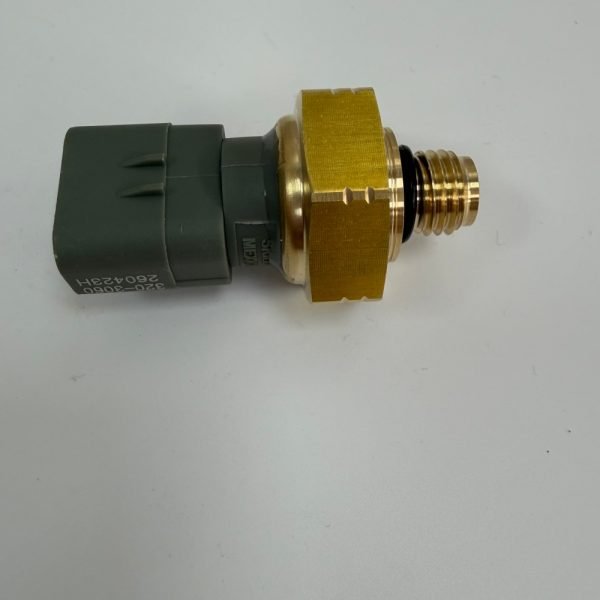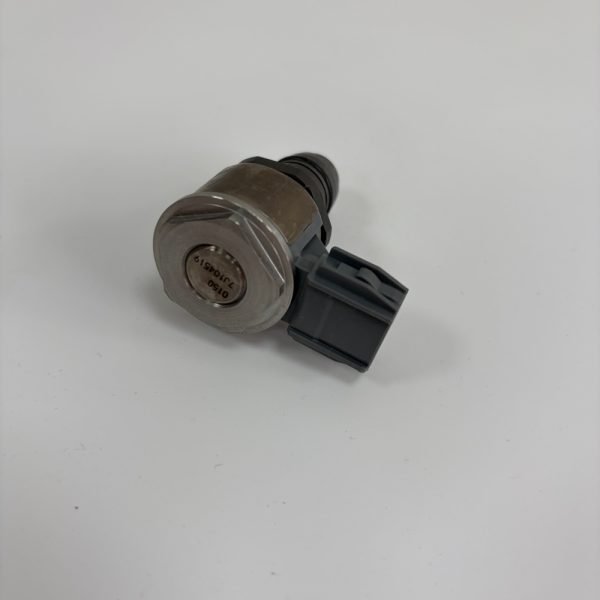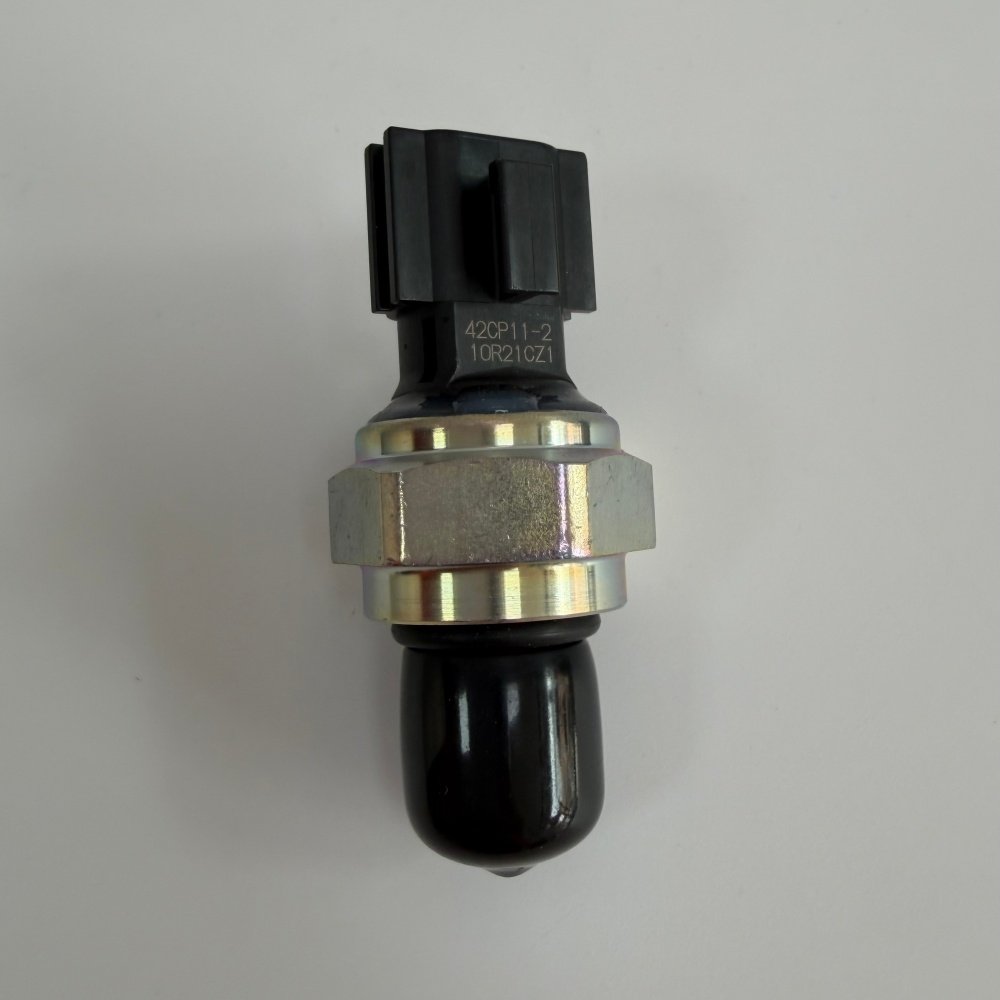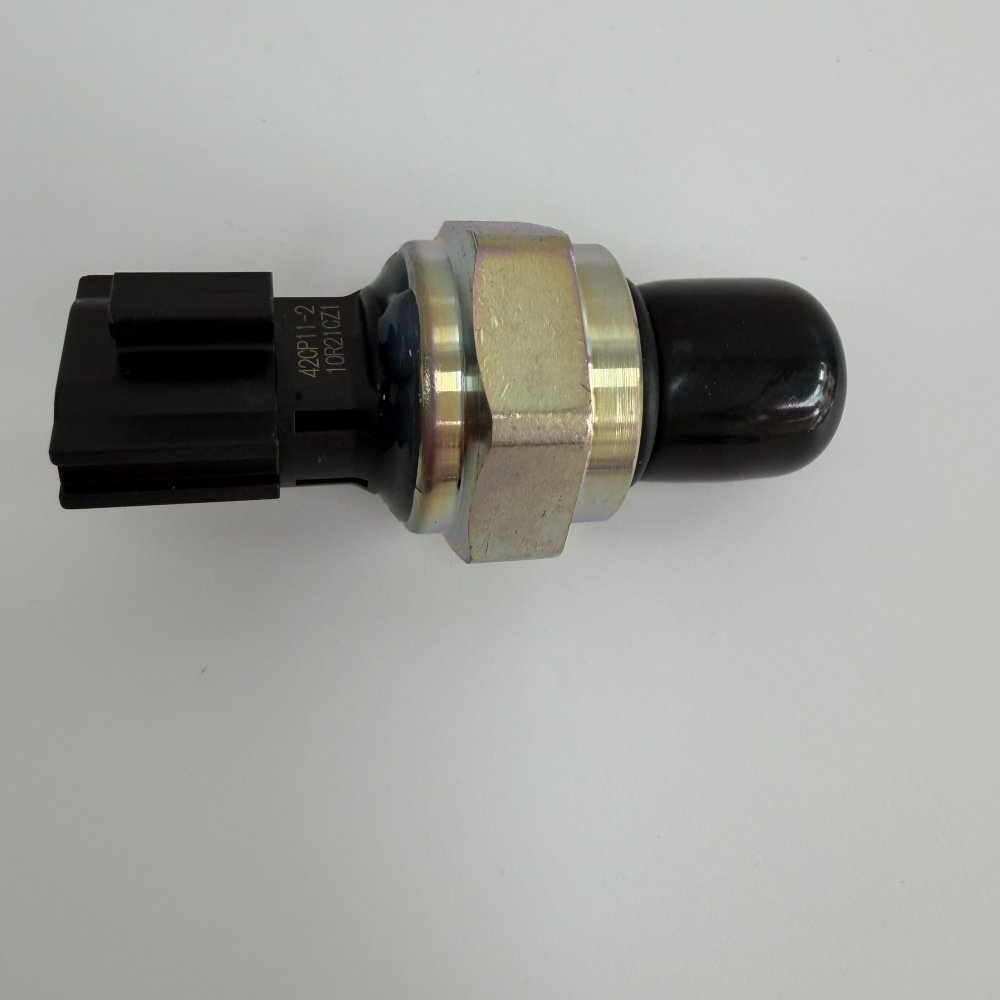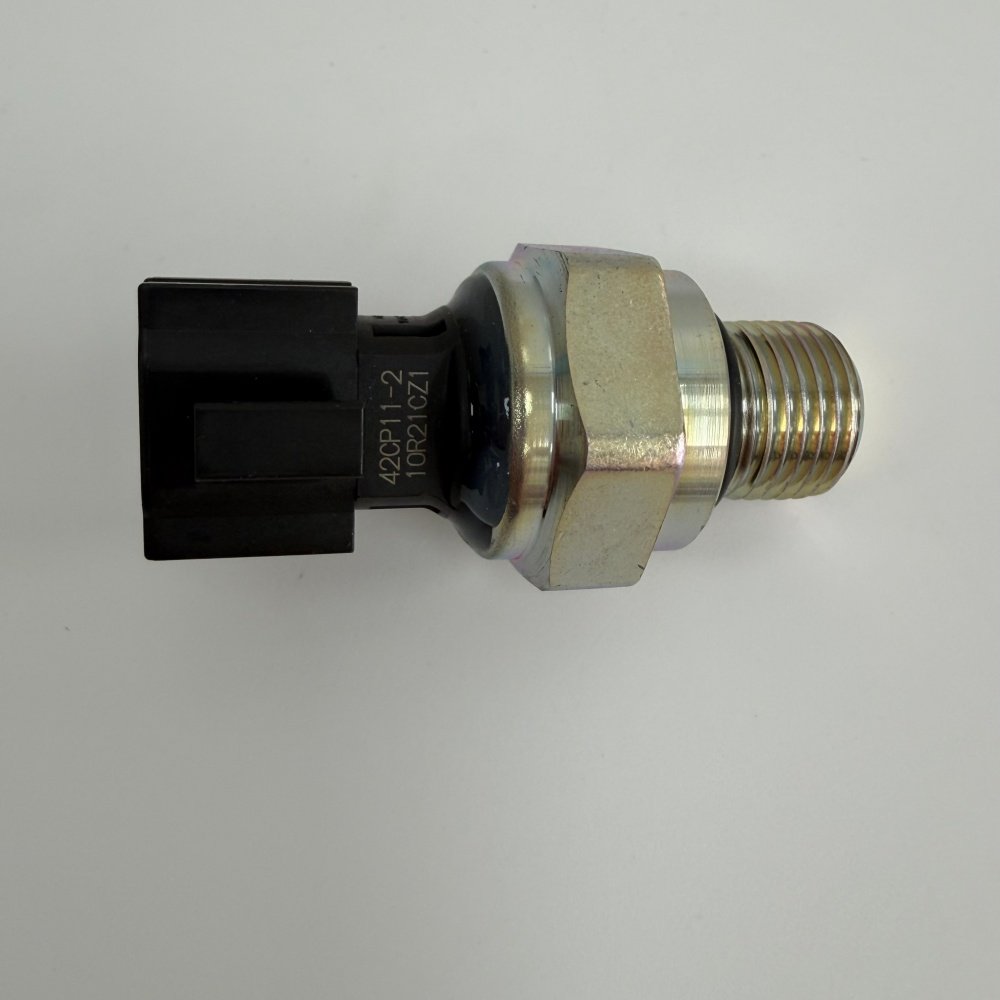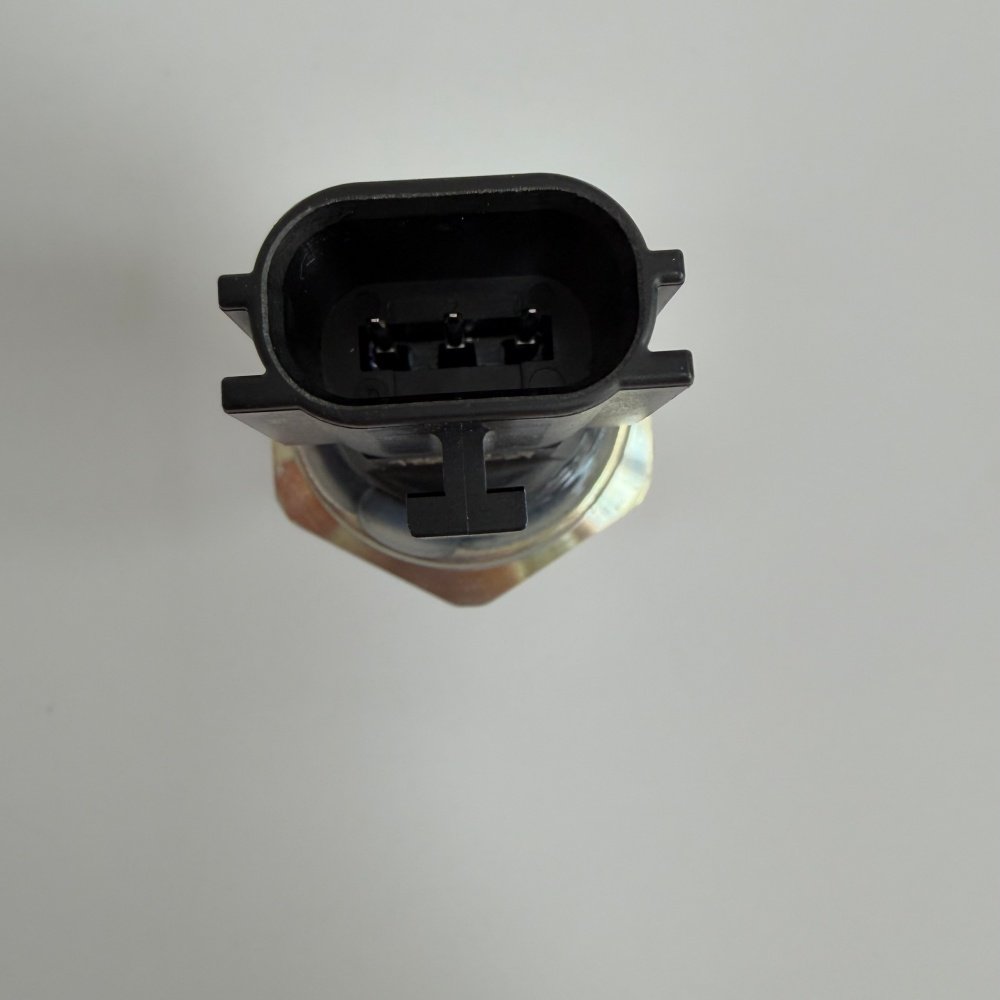
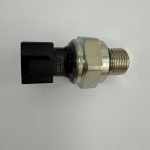
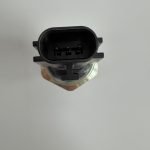


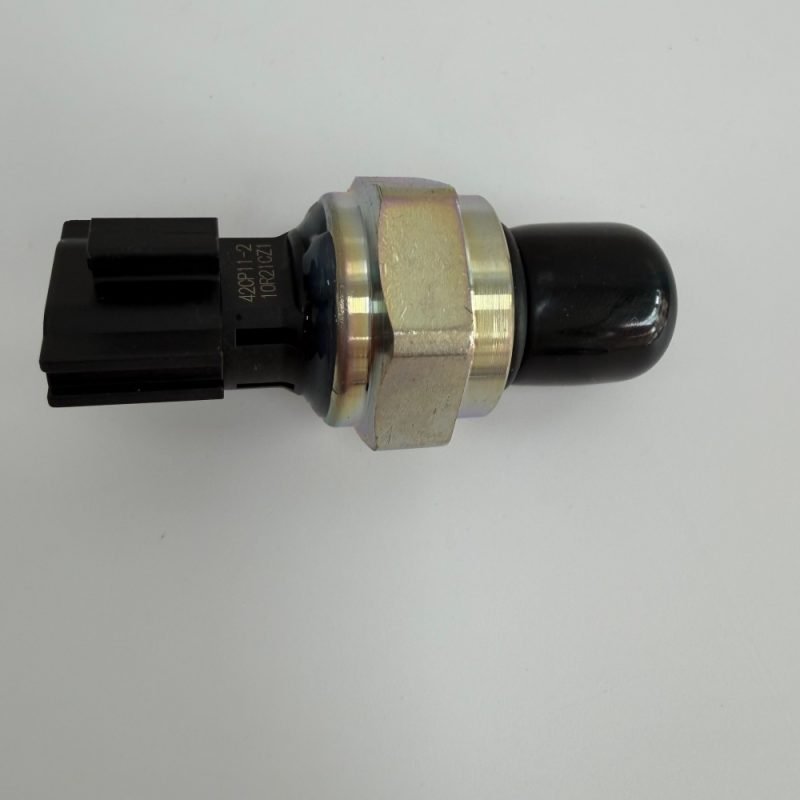
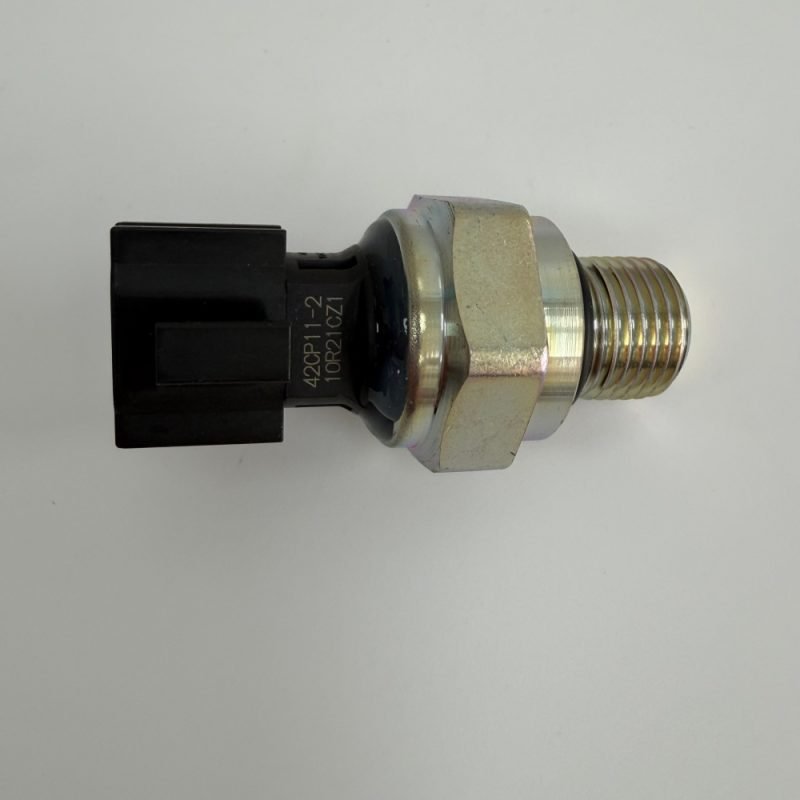
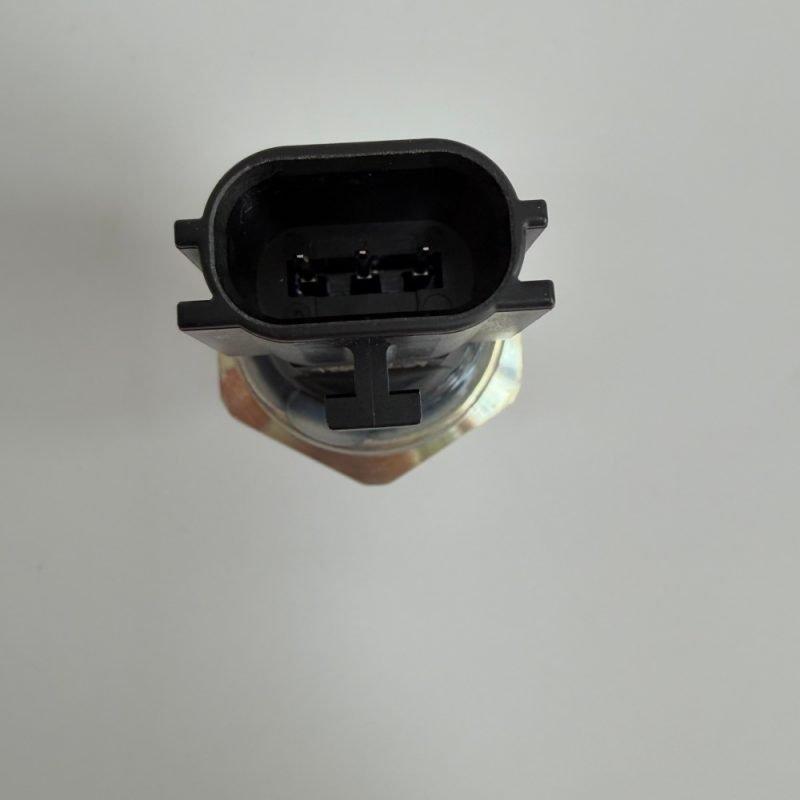

Description
Product Video
1. High vs Low Pressure Sensors – Why Your Pump Needs Both (and One Fails More Often)
On ZX200-3, ZX210-3, ZX230-3, ZAX130, ZAX330, there are two pressure sensors on the main pump:
High pressure sensor (e.g., 4436271) – reads pump discharge pressure (up to 350 bar).
Low pressure sensor (4436536) – reads negative control pressure or pilot back pressure (typically 0–50 bar).
| Feature | High Pressure Sensor | Low Pressure Sensor (4436536) |
|---|---|---|
| Typical range | 0–350 bar | 0–50 bar |
| Failure symptom | Weak digging, engine bogging | Erratic idle, surge, slow response |
| Failure frequency | Moderate | Higher (due to thinner diaphragm) |
| Thread size | M18 | M16 (do not mix!) |
| Length | 67.5mm | 63mm |
Why the low pressure sensor fails more often: It measures a smaller pressure range with a thinner, more flexible diaphragm. That diaphragm flexes constantly with every pilot operation – millions of cycles. The high pressure sensor’s thicker diaphragm moves less and lasts longer.
If your machine feels “jerky” or has unstable idle, suspect the low pressure sensor first.
2. What This Sensor Actually Controls – Negative Flow Control (NFC) on ZX200-3
On Hitachi ZX series with negative flow control (NFC), the 4436536 is typically mounted on the pump regulator or main control valve, measuring the pressure that tells the pump how much flow to deliver.
| Condition | Low Pressure (4436536 reading) | Pump Output |
|---|---|---|
| Levers neutral | High (30–40 bar) | Minimum flow (saves fuel) |
| Levers partially moved | Medium (15–25 bar) | Partial flow |
| Levers fully stroked | Low (5–10 bar) | Maximum flow |
When this sensor fails: The ECU gets wrong NFC pressure. It may think levers are neutral when you’re digging – pump stays at minimum flow. The machine feels dead. Or it may think levers are fully stroked at idle – pump upstrokes unnecessarily, engine lugs down.
A bad 4436536 can mimic a worn pump, a stuck regulator, or even a transmission problem.
3. The “Idle Instability” Test – 30 Seconds to Diagnose
Start your ZX200-3, let it idle. Watch the engine RPM (on the monitor). Does it hunt up and down by 50–100 RPM? That’s often the low pressure sensor.
| Step | Action | Good Sensor | Bad Sensor |
|---|---|---|---|
| 1 | Engine at idle, levers neutral. Listen to engine. | Steady RPM | RPM fluctuates (hunting) |
| 2 | Unplug the 4436536 (connector). | No change (sensor not used at idle? depends on model) | Hunting stops immediately |
| 3 | Plug it back in. | Hunting returns within 2 seconds | – |
If unplugging the sensor stabilizes the idle, replace it. The sensor is sending an unstable signal to the ECU, which then varies pump flow, changing engine load.
4. The “Thread Alert” – M16 Is Not M18 (Don’t Force It)
The 4436536 uses an M16 x 1.5 thread – common for low pressure sensors but easy to confuse with the M18 of the high pressure sensor.
| Sensor | Thread | Port Location |
|---|---|---|
| High pressure (4436271) | M18 x 1.5 | Pump discharge |
| Low pressure (4436536) | M16 x 1.5 | Pump regulator or valve |
If you try to force an M16 sensor into an M18 port: It will feel loose and leak oil.
If you try to force an M18 sensor into an M16 port: It will cross‑thread and destroy the port – an expensive mistake.
Our 4436536 comes with a plastic thread protector. Do not remove it until you are ready to install.
5. Real Case – The “Surge That Felt Like a Runaway Engine”
A ZX210-3 in Indonesia had a dangerous problem: when returning the joystick to neutral after heavy digging, the engine would momentarily surge to high RPM – as if the operator had slammed the throttle forward. The owner feared a stuck governor.
We monitored the low pressure sensor reading. When the joystick returned to neutral, the pressure should have jumped from low (5 bar) to high (35 bar) instantly. Instead, the sensor reading lagged by 1.5 seconds, staying at 5 bar while the pump remained upstroked. The engine surged from the extra load.
Fix: Replace 4436536. Cost: under $150. The surge disappeared. The sensor’s internal damping orifice was clogged, causing the lag.
6. Installation Tips – The 63mm Length Is Critical
The 4436536 is 63mm long overall from thread tip to connector base. Some aftermarket sensors are shorter (55–58mm) and may not reach the pressure port correctly.
| Measurement | Correct | Wrong |
|---|---|---|
| Total length (tip to connector shoulder) | 63mm ±1mm | <60mm |
| Thread length | 14mm | Varies |
Before installing, compare the length with your old sensor. If the new sensor is shorter, it may seal against the o‑ring but leave a dead volume – causing slow response.
Torque: 25–30 Nm (less than the high pressure sensor). Use a new copper washer (included).
7. Product Contents – Genuine Hitachi
| Item | Included |
|---|---|
| Low pressure sensor 4436536 | ✅ (Japan) |
| Copper sealing washer | ✅ (pre-installed) |
| Thread protector | ✅ |
| Paper box with label | ✅ |
| (Optional) 3‑pin pigtail | Upon request |
Not included: Thread sealant (do not use).
8. Ordering & Delivery
| Item | Detail |
|---|---|
| MOQ | 1 piece |
| Lead time | 6–8 working days |
| Packaging | Paper box + bubble wrap |
| Payment | T/T, XTransfer, PayPal, Western Union |
| Supply capacity | 300 pcs/month |
| Warranty | 6 months (manufacturing defects) |
9. Before You Order – Verify Which Sensor You Need
Send us:
Photo of your old sensor (showing the thread, length, and connector)
Machine serial number
We will confirm compatibility within 24 hours.
The low pressure sensor is the silent partner of your pump control system. When it fails, the ECU flies blind – and your machine feels broken. Replace it with genuine, and restore smooth, predictable power.