When an excavator breaks down on an active job site, every hour of unexpected downtime erodes contractor profit margins and threatens project timelines. For independent heavy machinery repair facilities, fleet service managers, and equipment operators, keeping machines running requires more than just replacing broken components. It demands a clear understanding of machine sub-systems, diagnostic procedures, component wear factors, and cost-effective parts procurement strategies.
Sourcing excavator replacement parts presents a constant balancing act between initial purchase price, delivery lead times, and long-term operating durability. Original Equipment Manufacturer (OEM) dealer channels frequently suffer from backorders and steep price markups, while low-cost generic substitutes risk premature component failure and unpaid shop rework.
This guide breaks down the primary excavator sub-systems, provides actionable diagnostic and fitment verification protocols, compares OEM versus factory-direct aftermarket sourcing options, and outlines preventive maintenance practices to maximize equipment uptime.
Major Excavator Sub-Systems and Components
Modern hydraulic excavators from 10-ton utility units to 50-ton heavy production machines consist of synchronized mechanical, hydraulic, and electronic sub-systems. Understanding how these systems interact enables repair technicians to diagnose root causes rather than simply replacing failed components.
According to Matson Mining’s Excavator Spare Parts Analysis
, an excavator can be categorized into five core functional sub-systems:
1. Electrical & Electronic Control Systems
The electronic system functions as the neural network of modern excavators. It monitors engine operating parameters, regulates hydraulic pump displacement, manages pilot control inputs, and communicates system diagnostics to the cab display.
Key components include:
- Electronic Control Units (ECUs) & Computer Boards: Central microprocessors managing engine throttle, fuel injection, and main hydraulic valve coordination.
- Switches & Solenoid Valves: Electro-hydraulic actuators controlling main spool valve movement.
- Pressure & Temperature Sensors: Real-time feedback sensors monitoring hydraulic line pressure, oil temperature, and engine coolant status.
- Wiring Harnesses: Heavy-duty, oil-resistant wiring looms delivering signals between sensors, controllers, and cab displays.
2. Hydraulic System Parts
The hydraulic system converts engine mechanical power into fluid power to execute digging, swinging, and travel movements. Operating under continuous pressures up to 343 bar (4,975 psi), hydraulic components require strict dimensional tolerances and fluid cleanliness.
Key components include:
- Main Hydraulic Pumps: Variable displacement axial piston pumps supplying high-pressure fluid across the machine.
- Main Control Valves: Spool valve banks directing oil flow to specific cylinders and hydraulic motors.
- Hydraulic Cylinders: Boom, arm (stick), and bucket actuators featuring induction-hardened chrome rods and multi-stage seal kits.
- Swing Motors & Reduction Gearboxes: High-torque hydraulic motors driving upper structure rotation.
3. Undercarriage & Final Drive Gear Series
The undercarriage supports the machine’s total operating weight and provides mobility across rugged terrain. Undercarriage components represent up to 50% of a machine’s total lifetime repair costs due to constant ground friction and abrasion.
Key components include:
- Final Drives & Travel Motors: Planetary gear reduction units paired with axial piston travel motors delivering track torque.
- Track Chains & Track Shoes: Forged steel links connected by pins and bushings, available in sealed and lubricated configurations.
- Track Rollers & Idlers: Top carrier rollers, bottom track rollers, and front tension idlers maintaining track alignment.
- Sprockets: Heat-treated drive gears transferring torque from the final drive to the track chain.
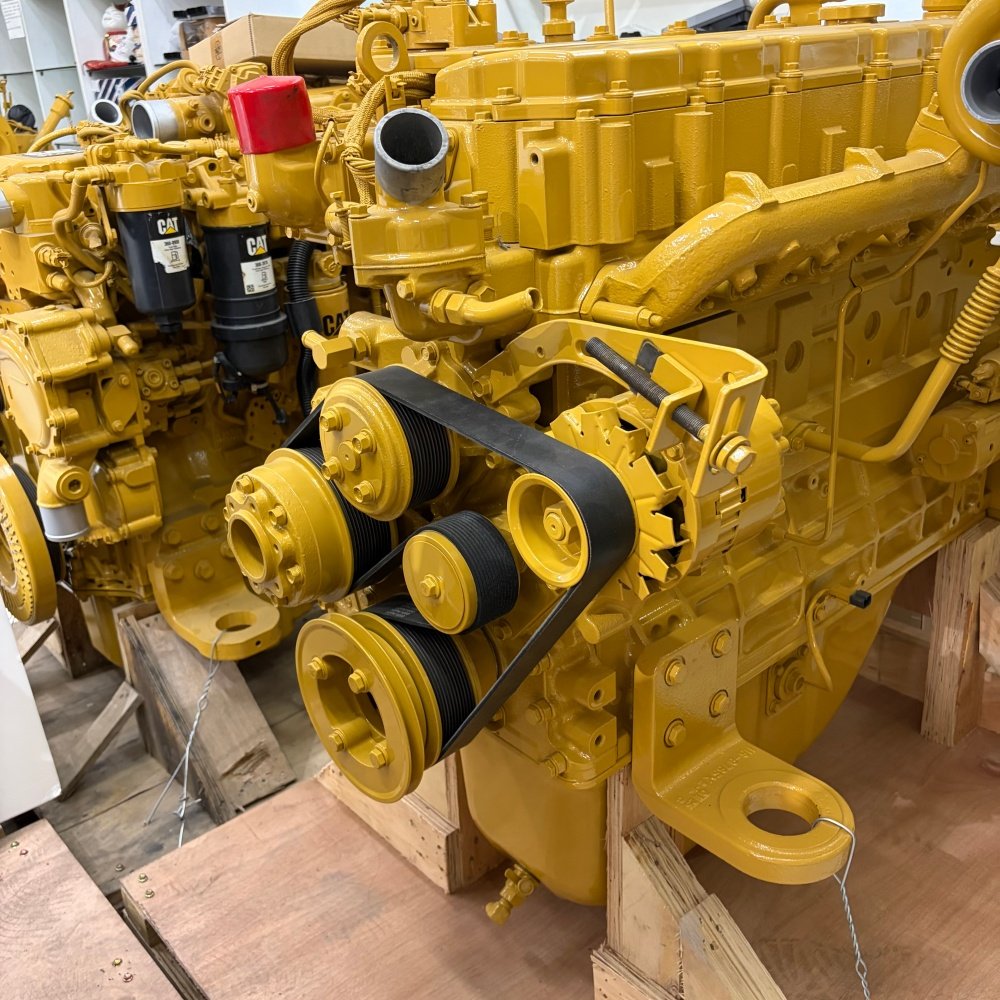
4. Engine, Boosters & Filtration Maintenance
The internal combustion engine provides the primary energy source for the excavator. Surrounding filtration and fluid management systems protect internal engine surfaces from dust, moisture, and particulate wear.
Key components include:
- Air, Oil, and Fuel Filters: Multi-stage filtration media retaining airborne dust and microscopic fuel contaminants.
- Hydraulic Return & Pilot Filters: High-efficiency glass-fiber filter cartridges preventing hydraulic pump cavitation and valve spool scoring.
- Boosters & Turbochargers: Forced induction units enhancing engine combustion efficiency under heavy digging loads.
5. Ground Engaging Tools (GET) & Attachments
Ground Engaging Tools endure direct contact with rock, dirt, and abrasive earth, acting as sacrificial wear elements to protect buckets and structural arms.
Key components include:
- Bucket Teeth & Adapters: Cast alloy steel points engineered for high impact and wear resistance.
- Cutting Edges & Side Cutters: Weld-on or bolt-on wear plates shielding bucket side walls.
- Pins and Bushings: Hardened steel pivots connecting the boom, stick, and bucket links.
Electrical & Electronic Systems: SCM and Computer Board Replacements
As excavators integrate advanced electronic control systems, computer board failures have become a primary cause of unexpected machine shutdown. When a main controller fails, the excavator may lose hydraulic power, enter default limp mode, or experience complete throttle unresponsiveness.
Diagnostic Signal Flow:[Cab Joystick Input] ➔ [ECU / Computer Board] ➔ [Proportional Solenoid Valve] ➔ [Hydraulic Main Pump Displacement]Common Causes of Computer Board Failure
- Voltage Spikes: Jump-starting machinery with 24V booster packs or alternator regulator failures can overload sensitive circuit board capacitors.
- Moisture Ingress: Compromised ECU housing seals allow condensation to corrode printed circuit board (PCB) traces.
- Engine Vibration: Continuous mechanical shock loosens solder joints and surface-mounted electronic components over time.
Sourcing SCM & ECU Replacement Modules
When replacing specialized electronic controllers, such as Hitachi excavator computer boards and ECUs
, repair technicians must verify exact part number compatibility and engine series match. For instance, the Hitachi ZAX170W-3 SCM computer board (Part No. 9274929) requires specific calibration for Isuzu 4HK1 engine protocols.
Pro Tip: Always disconnect the main battery disconnect switch before removing or installing an excavator ECU. Never perform arc welding on an excavator frame without first unplugging all electronic computer board harnesses to prevent high-amperage electrical feedback damage.
Hydraulic System Maintenance: Piston Pumps and Seal Integrity
Hydraulic pump cavitation and internal leakage are major drivers of power loss in heavy equipment. When a main pump experiences internal wear, hydraulic oil bypasses internal piston shoes, causing sluggish boom response, elevated oil temperatures, and noisy pump operation.
Key Factors for Main Hydraulic Pump Longevity
- Fluid Viscosity and Cleanliness: Hydraulic fluid contamination accounts for over 70% of hydraulic component failures. Fine metal particles score valve spools and piston barrels, dropping system working pressure below design specs.
- Seal Ring and O-Ring Integrity: Operating temperatures above 80°C (176°F) harden nitrile rubber seals, leading to external fluid leaks and air ingress.
- Piston Shoe & Swashplate Alignment: In axial piston pumps, uneven wear on the swashplate prevents proper piston stroke, reducing total flow rate (GPM).
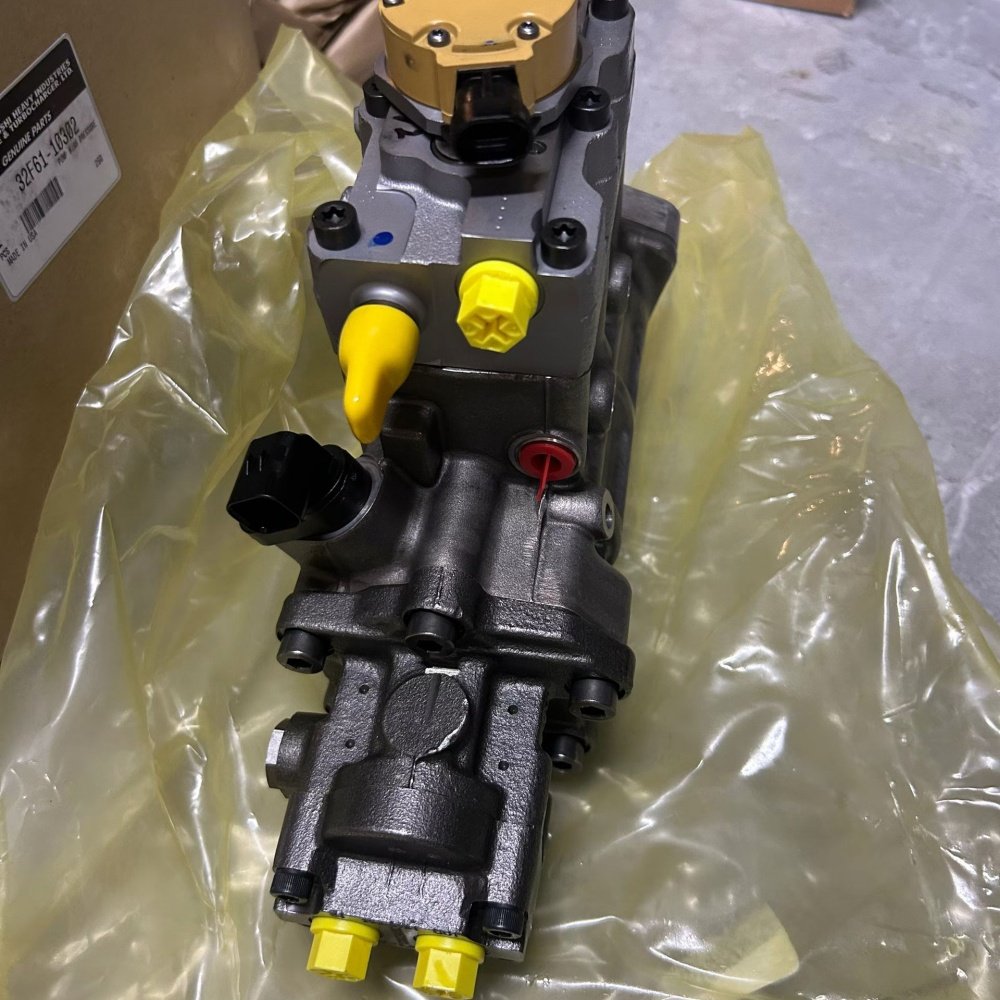
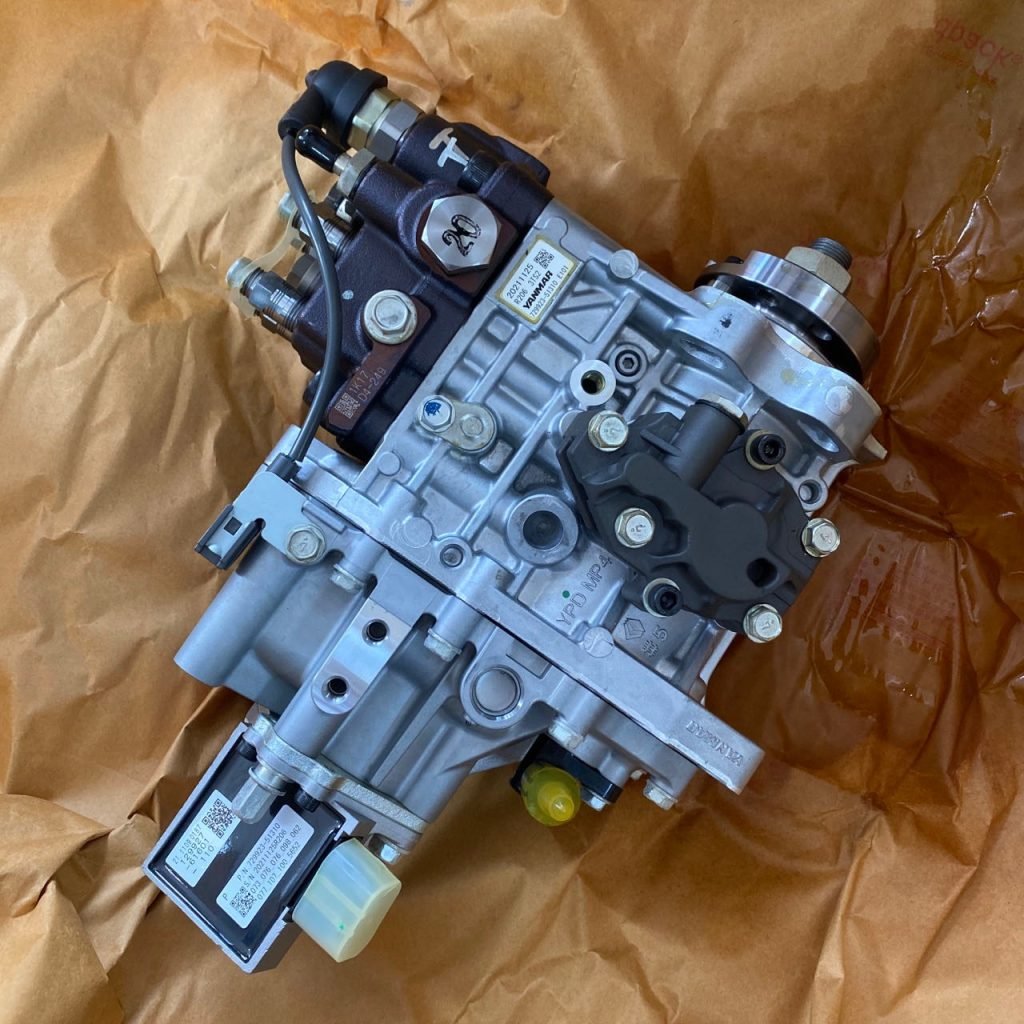
When replacing pump assemblies or performing in-shop pump rebuilds, sourcing precision-machined replacement parts—such as heavy excavator hydraulic main pumps
and certified cylinder repair kits—ensures working pressure remains stable at full load.
Undercarriage & Final Drive Gear Series Selection
The final drive gearbox translates high-speed hydraulic motor rotation into high-torque track movement through a multi-stage planetary gear reduction set. Gear tooth pitting, bearing collapse, or main floating seal failure can lock up a track completely, stranding the machine on site.
Evaluating Final Drive & Gear Series Durability
- Planetary Gear Metallurgy: High-grade chrome-molybdenum alloy steel with carburized gear teeth resists micro-pitting under heavy torque loads.
- Duo-Cone / Floating Seal Performance: Dual metallic seal rings backed by elastomeric O-rings prevent abrasive mud and groundwater from penetrating the gear housing.
- Travel Motor Compatibility: Ensuring port locations, displacement control valving, and mounting bolt circles match the original machine sub-frame.
To minimize machine downtime during track motor failure, repair shops often replace entire travel motor assemblies with pre-assembled excavator final drive gearboxes and travel motors
, eliminating multi-day gear rebuilding labor.
OEM vs Factory-Direct Aftermarket Parts: The Shop Decision Matrix
Repair shop managers and fleet directors face a constant dilemma: pay high OEM dealer prices or evaluate factory-direct aftermarket alternatives.
Data from the AMO Parts Excavator Sourcing Analysis
demonstrates that OEM parts carry a 40% to 80% price premium over qualified aftermarket options, with dealer lead times extending up to several weeks for specialized components.
| Comparison Dimension | Original Equipment (OEM) | Factory-Direct Premium Aftermarket | Low-Cost Generic Import |
|---|---|---|---|
| Initial Cost | Highest (100% baseline) | Cost-Effective (50% – 70% of OEM) | Lowest (20% – 40% of OEM) |
| Dimensional Fitment | Exact factory match | Exact cross-reference match | Variable (may require filing/shimming) |
| Material Metallurgy | Strictly controlled | High-grade forged/heat-treated alloys | Cast iron / non-hardened steel risks |
| Availability & Lead Time | Dealer stock dependent (1–4 weeks) | Fast global dispatch (2–5 days) | Unpredictable inventory |
| Best Application | In-warranty machines | Active fleets & shop repair jobs | Non-critical emergency patches only |
Key Takeaway: Apply a mixed-sourcing strategy. Use certified OEM or top-tier factory-direct components for critical hydraulic pumps, control valves, and electronic computer boards. Deploy premium factory-direct aftermarket parts for undercarriage track chains, final drive gear sets, boosters, filter cartridges, and bucket wear items to achieve optimal repair margins without compromising operational safety.
3-Step Verification Checklist Before Sourcing Excavator Parts
Part mismatch leads to costly return freight, delayed job completions, and frustrated customers. Before placing an order for excavator spare parts, field technicians and purchasing agents should complete this three-step verification protocol:
Step 1: Locate Casting Part Numbers and Nameplate Stamping
Never rely solely on machine model names (e.g., “320” or “PC200”). Wipe clean the old component housing to find the stamped OEM part number, casting code, or manufacturer tag.
Step 2: Confirm Machine Serial Number Break
Excavator manufacturers frequently update hydraulic pump displacements, wiring pinouts, and engine emissions equipment mid-production. Always check the machine’s primary serial number plate located near the cab frame.
Step 3: Match Cross-Reference Specifications with Supplier
Consult a detailed technical excavator parts supplier evaluation guide
to confirm supplier quality certifications (ISO 9001), request dated inventory photos of the actual part, and verify dimensional drawings before dispatch.
Frequently Asked Questions (FAQ)
How often should excavator hydraulic filter cartridges be replaced?
Hydraulic return filters and pilot filter elements should generally be replaced every 250 to 500 operating hours, or immediately following any major hydraulic component failure (such as a pump explosion) to prevent metal debris from circulating through the system.
Can an aftermarket computer board replace an original Hitachi excavator ECU?
Yes. Premium factory-direct electronic computer boards are engineered to replicate original factory circuitry and programming. Verify that the part number matches your exact machine model and engine series (e.g., Isuzu 4HK1 or 6HK1 engine controls) prior to installation.
What are the main signs that an excavator final drive requires replacement?
Common indicators include loud grinding noises from the planetary gearbox, metal shavings found in gear oil during routine drain checks, hydraulic oil leaking from main floating seals, or a noticeable lack of tracking power on one side.
How do I prevent premature wear on excavator undercarriage parts?
Maintain correct track chain tension according to manufacturer specifications, avoid excessive high-speed travel over hard pavement, clean out packed mud from track frames daily, and minimize reverse operation on abrasive surfaces.
Sourcing Direct Factory Excavator Components
Maintaining high machinery performance requires dependable replacement components backed by proven quality standards and responsive technical support. Independent repair shops and fleet operators rely on direct manufacturer relationships to bypass dealer markups and secure immediate parts availability.
Hongtengda offers a complete range of heavy machinery parts—from specialized electronic computer boards and main hydraulic axial piston pumps to planetary final drive gear series, undercarriage track groups, and maintenance filter kits. To verify part fitment or request a factory-direct quote for your equipment, explore the direct product catalog or contact technical specialists at Hongtengda Parts