굴삭기 캐빈 어셈블리는 견적 사진상으로는 완전해 보이지만, 설치 시간, 운전자 시야 및 최종 비용을 좌우하는 부품이 여전히 누락되어 있을 수 있습니다. 어떤 공급업체는 유리창이 포함된 도장된 셸(shell)만 견적할 수 있습니다. 또 다른 공급업체는 도어, 와이퍼 시스템, 배선, 시트 베이스, 내장 트림 및 공조 부품을 포함할 수 있습니다. 서면 범위 없이 이 두 가격을 비교하는 것은 잘못된 비교를 초래합니다.
신뢰할 수 있는 구매는 세 가지 항목에서 시작됩니다: 정확한 기계 식별 정보, 포함·제외 매트릭스, 그리고 기계에 연결되어야 하는 모든 인터페이스에 대한 증거입니다. 이 구매 가이드는 이러한 항목들을 RFQ 및 승인 프로세스로 전환합니다. 이는 귀하가 광범위한 굴삭기 캐빈 카탈로그 를 검토하든, 모델별 견적을 요청하든 적용됩니다.
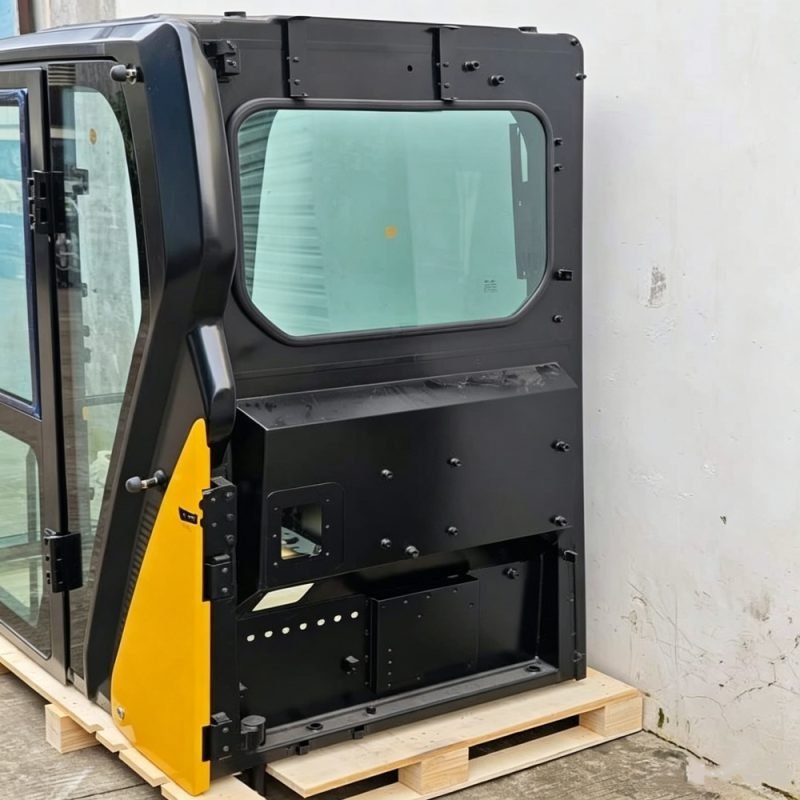
견적 비교 전에 공급 범위를 정의하십시오
“캐빈 어셈블리”, “완전 캐빈” 및 “캐빈 셸”은 발주서에 충분히 정확하지 않습니다. 각 공급업체에 공통 범위 시트의 모든 항목을 포함, 제외, 선택 사항 또는 기존 기계에서 재사용으로 표시하도록 요청하십시오. 카탈로그 사진을 최종 포장 목록으로 취급하지 말고, 견적된 구성의 최신 사진을 요구하십시오.
Caterpillar의 공식 업그레이드 캐빈 프로그램, 은 예를 들어 자사의 캐빈을 완전 조립품으로 설명하고 모델, 시리즈, 시리얼 프리픽스 및 부품 번호 참조를 게시합니다. 이는 정의된 캐빈 프로그램이 얼마나 상세할 수 있는지에 대한 유용한 증거입니다. 그러나 제3자 캐빈의 내용이나 호환성을 입증하지는 않으므로, 실제로 구매하는 품목에 대해서도 동일한 수준의 명확성을 확보하십시오.
| RFQ 항목 | 공급업체가 확인해야 할 사항 | 비교에 영향을 미치는 이유 |
|---|---|---|
| 구조 및 패널 | 메인 프레임, 루프, 플로어, 후면 패널, 측면 패널 및 도장 상태 | 셸과 설치된 어셈블리를 구분 |
| 도어 및 유리 | 도어, 힌지, 래치, 잠금장치, 씰, 전면/후면/측면 유리 및 개폐식 창문 | 하드웨어 누락 시 실링 및 시운전이 지연될 수 있음 |
| 운전자 스테이션 | 시트, 베이스, 콘솔 브래킷, 페달, 플로어 매트 및 내장 트림 | 기존 캐빈에서 이전해야 할 항목을 보여줌 |
| 전기 장비 | 하네스, 커넥터, 램프, 스위치, 모니터 제공 및 퓨즈/릴레이 항목 | 커넥터 및 제어 차이는 설치 중에 자주 나타남 |
| 공조 및 가시성 | HVAC 유닛, 덕트, 컨트롤, 와이퍼 모터, 암, 워셔 부품, 미러 및 카메라 마운트 | 이러한 항목은 일상 운영 및 최종 승인에 영향을 미침 |
| 설치 항목 | 마운트, 쿠션, 브래킷, 체결구, 호스, 그로밋 및 관통 씰 | 작은 인터페이스 누락이 완전해 보이는 작업을 중단시킬 수 있음 |
기계 식별 정보 및 인터페이스 데이터를 확정하십시오
모델명만으로는 서로 다른 생산 시리즈나 지역 구성을 포괄할 수 있습니다. 전체 기계 모델, 시리얼 번호, 시리얼 프리픽스 및 사용 가능한 캐빈 또는 구조 번호를 RFQ에 기재하십시오. 기계 명판, 기존 캐빈 전체 및 각 장착 지점의 선명한 사진을 추가하십시오. 기존 캐빈이 손상된 경우, 손상되지 않은 인터페이스를 별도로 촬영하십시오.
다음과 같은 카탈로그 페이지 CAT 320GC 캐빈 어셈블리, Komatsu PC200-7 캐빈 어셈블리 및 Doosan DH225-7 캐빈 어셈블리 는 의도된 제품군을 식별하는 데 도움이 됩니다. 이들은 문의를 위한 출발점이지, 해당 모델 라벨을 가진 모든 기계가 동일한 인터페이스를 사용한다는 증거가 아닙니다. 서면 적합성 승인은 구매자가 제공한 데이터 패키지를 참조해야 합니다.
| 발송할 증거 | 캡처할 세부 사항 | 요청할 공급업체 응답 |
|---|---|---|
| 기계 명판 | 모델, 전체 시리얼 번호 및 판독 가능한 프리픽스 | 견적서 및 주문 확인서에 반복 기재된 식별 정보 |
| 기존 캐빈 개요 | 전면, 후면, 양측면, 루프, 플로어 및 도어 개구부 | 제공된 캐빈과의 주석 비교 |
| 장착 지점 | Hole pattern, bracket shape, cushion position and reference dimensions | Marked drawing or matching photos |
| Harness and controls | Connector faces, pin count, labels, monitor and switch panels | List of direct connections, adaptations and reused parts |
| HVAC and hoses | Ports, hose routing, ducts, drain and control type | Interface statement and supplied fittings |
| Attachments | Mirrors, lamps, antenna, camera and guard mounting points | Included brackets and any drilling or fabrication required |
Treat protective-structure claims as document questions
A cab enclosure and an operator protective structure are related, but they are not automatically the same claim. The exact machine, cab frame, guard configuration and intended operating risk determine which documents are relevant. A photo, decal or general statement such as “guard ready” does not identify the tested structure.
ISO 10262 covers laboratory tests and performance requirements for operator protective guards on hydraulic excavators. ISO 12117-2 addresses roll-over protective structures for certain hydraulic excavators where a rollover risk exists. Their presence in an RFQ should prompt specific questions, not a blanket assumption that either standard applies to every replacement cab.
Ask the supplier to identify the exact structure covered by any declaration or test report, the machine range or configuration named in the document, and whether later welding, drilling or guard installation affects that statement. Have the responsible safety or engineering person review the documents against local rules and the machine’s intended work. Do not release an order on an undefined “ROPS/FOPS” line in a quotation.
Check visibility, access and operator interfaces
Cab replacement changes more than the enclosure. Glass tint, window openings, seals, wiper sweep, mirror brackets and camera positions can affect what the operator sees. The UK Health and Safety Executive’s guidance on safe manoeuvring says windows and mirrors should be clean, unobstructed and in good repair. For a buyer, that supports a practical acceptance rule: inspect the complete field of view with the machine assembled, rather than approving glazing from a pallet photo.
Also compare the door opening, steps, handholds, emergency exit arrangement, seat mounting and control clearances. Confirm that the door latches securely in its normal positions and that seals sit evenly. Switches, pedals, joysticks and displays should move through their full range without contact with panels or trim. Any part transferred from the original cab should appear in the work instruction and labor estimate.
Plan packing and receiving inspection
Put packing requirements into the order before the cab is collected. Ask for protection around glass edges, door frames, roof corners, connectors, hose ports and protruding brackets. The cab should be secured through suitable structural points, with loose parts identified and packed so they cannot strike glazing or painted surfaces. Request packing photos that show the cab before wrapping, the protected interfaces and the completed crate or pallet.
At receipt, inspect the package before unloading and record any external damage. Then compare the unit with the approved scope sheet while the packing list is available. Photograph the serial or identification markings, all sides, glass, door operation, connectors, mounts and loose accessories. Report shortages or transit damage promptly under the agreed sales and carrier procedures. Avoid installation until obvious shipping damage, missing parts or identity conflicts have been resolved in writing.
Put installation acceptance in the purchase order
The quotation should say what counts as an accepted cab. A visual match on the ground is insufficient. Define checks that can be completed after mounting and connection, and assign responsibility for any adaptation. If a local installer will perform the work, let that team review the RFQ before purchase so it can identify measurements, lifting points, seals, connectors and transferred components that the buyer may miss.
| Acceptance stage | 확인 항목 | Evidence to retain |
|---|---|---|
| Before installation | Identity, dimensions, mounting points, supplied scope and transit condition | Receiving photos and signed scope sheet |
| Mechanical fit | Mount seating, clearances, door operation, seals and panel alignment | Installed photos and exception list |
| Electrical/HVAC | Connector fit, lights, wipers, washer, controls, blower and required instruments | Functional test record |
| Operator review | Access, seat/control clearance, visibility, mirrors and camera view | Commissioning checklist |
| Closeout | Loose parts, reused parts, modifications and documents reconciled | Final acceptance signed by responsible personnel |
Buyer checklist before order release
- Record the full machine model, serial number and serial prefix.
- Send machine-plate, old-cab, mount, connector, HVAC and control photos.
- Require an included, excluded, optional or reused answer for every scope line.
- Obtain marked interface evidence and written fitment confirmation.
- Review any protective-structure claim against the exact structure and intended use.
- Define glazing, wiper, mirror, camera, access and control acceptance checks.
- Approve packing protection, loose-part control and pre-dispatch photos.
- Put receiving, installation and closeout evidence into the purchase order.
A strong excavator cab assembly order is a controlled package, not a model name and a photograph. Send Hongtengda your machine plate, cab photos, required scope matrix and interface details. The quotation can then state what is supplied, what must be reused and which fitment points still need buyer verification before the order is released.