Bir ekskavatör kabin montajı, bir teklif fotoğrafında eksiksiz görünebilir ancak yine de montaj süresini, operatör görüşünü ve nihai maliyeti kontrol eden parçaları atlayabilir. Bir tedarikçi boyalı bir kabuk ve cam teklif edebilir. Bir diğeri kapı, silecek sistemi, kablolama, koltuk tabanı, iç döşeme ve iklim kontrol bileşenlerini dahil edebilir. Yazılı bir kapsam olmadan bu iki fiyatı karşılaştırmak yanlış bir karşılaştırma oluşturur.
Güvenilir bir satın alma üç unsurla başlar: tam makine kimliği, bir dahil etme-hariç tutma matrisi ve makineye bağlanması gereken her arayüz için kanıt. Bu alıcı kılavuzu, bu unsurları bir RFQ ve kabul sürecine dönüştürür. Geniş bir ekskavatör kabin kataloğunu inceliyor veya modele özel bir teklif talep ediyor olun, bu geçerlidir.
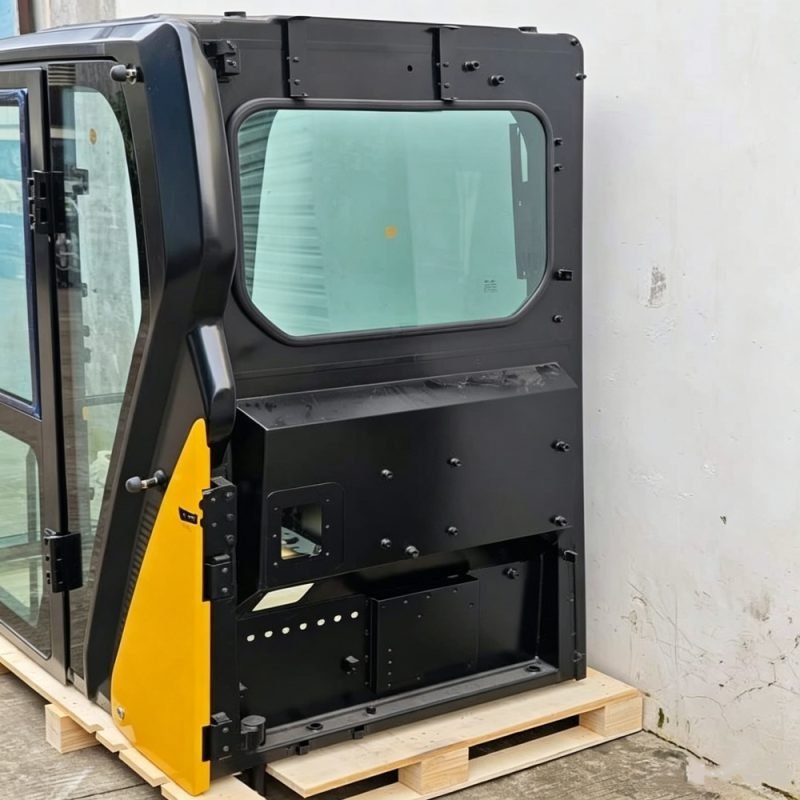
Teklifleri karşılaştırmadan önce tedarik kapsamını tanımlayın
“Kabin montajı,” “komple kabin” ve “kabin kabuğu” bir satın alma siparişi için yeterince kesin değildir. Her tedarikçiden ortak bir kapsam tablosunun her satırını dahil, hariç, opsiyonel veya eski makineden yeniden kullanılan olarak işaretlemesini isteyin. Bir katalog fotoğrafını nihai paketleme listesi olarak değerlendirmek yerine, teklif edilen konfigürasyonun güncel fotoğraflarını talep edin.
Caterpillar'ın resmi yükseltme kabini programı, örneğin, kendi kabinlerini tamamen monte edilmiş olarak tanımlar ve model, seri, seri öneki ve parça numarası referanslarını yayınlar. Bu, tanımlanmış bir kabin programının ne kadar ayrıntılı olabileceğinin faydalı bir kanıtıdır. Üçüncü taraf bir kabinin içeriğini veya uyumluluğunu ortaya koymaz, bu nedenle gerçekte satın aldığınız ürün için aynı düzeyde netlik elde edin.
| RFQ satırı | Tedarikçinin doğrulaması gereken | Karşılaştırmayı neden değiştirir |
|---|---|---|
| Yapı ve paneller | Ana çerçeve, tavan, zemin, arka panel, yan paneller ve boya durumu | Bir kabuğu monte edilmiş bir montajdan ayırır |
| Kapı ve cam | Kapı, menteşeler, mandal, kilitler, contalar, ön/arka/yan cam ve açılır pencereler | Eksik donanım sızdırmazlık ve devreye almayı geciktirebilir |
| Operatör istasyonu | Koltuk, taban, konsol braketleri, pedallar, zemin paspası ve iç döşeme | Eski kabinden nelerin aktarılması gerektiğini gösterir |
| Elektrik ekipmanı | Kablo demeti, konnektörler, lambalar, anahtarlar, monitör provizyonu ve sigorta/röle öğeleri | Konnektör ve kontrol farklılıkları genellikle montaj sırasında ortaya çıkar |
| İklim ve görüş | HVAC ünitesi, kanallar, kontroller, silecek motoru, kollar, yıkama parçaları, aynalar ve kamera montaj yerleri | Bu öğeler günlük operasyonu ve nihai kabulü etkiler |
| Montaj öğeleri | Montaj takozları, yastıklar, braketler, bağlantı elemanları, hortumlar, geçiş contaları ve geçiş sızdırmazlıkları | Küçük atlanmış arayüzler, aksi takdirde tamamlanmış bir işi durdurabilir |
Makine kimliğini ve arayüz verilerini kilitleyin
Tek başına bir model adı farklı üretim serilerini veya bölgesel konfigürasyonları kapsayabilir. RFQ'ya tam makine modelini, seri numarasını, seri önekini ve mevcut herhangi bir kabin veya yapı numarasını ekleyin. Makine plakasının, komple eski kabinin ve her montaj noktasının net fotoğraflarını ekleyin. Eski kabin hasarlıysa, hasarsız arayüzleri ayrı ayrı fotoğraflayın.
Aşağıdaki gibi katalog sayfaları CAT 320GC kabin montajı, Komatsu PC200-7 kabin montajı ve Doosan DH225-7 kabin montajı amaçlanan ürün ailesini belirlemeye yardımcı olur. Bunlar bir sorgu için başlangıç noktalarıdır, o model etiketini taşıyan her makinenin aynı arayüzleri kullandığının kanıtı değildir. Yazılı uygunluk onayı, alıcı tarafından sağlanan veri paketine atıfta bulunmalıdır.
| Gönderilecek kanıtlar | Yakalanacak ayrıntı | Talep edilecek tedarikçi yanıtı |
|---|---|---|
| Makine plakası | Model, tam seri numarası ve okunabilir önek | Teklifte ve sipariş onayında tekrarlanan kimlik |
| Eski kabin genel görünümü | Ön, arka, her iki yan, tavan, zemin ve kapı açıklığı | Sunulan kabine karşı açıklamalı karşılaştırma |
| Montaj noktaları | Delik deseni, braket şekli, yastık konumu ve referans ölçüleri | Marked drawing or matching photos |
| Harness and controls | Connector faces, pin count, labels, monitor and switch panels | List of direct connections, adaptations and reused parts |
| HVAC and hoses | Ports, hose routing, ducts, drain and control type | Interface statement and supplied fittings |
| Attachments | Mirrors, lamps, antenna, camera and guard mounting points | Included brackets and any drilling or fabrication required |
Treat protective-structure claims as document questions
A cab enclosure and an operator protective structure are related, but they are not automatically the same claim. The exact machine, cab frame, guard configuration and intended operating risk determine which documents are relevant. A photo, decal or general statement such as “guard ready” does not identify the tested structure.
ISO 10262 covers laboratory tests and performance requirements for operator protective guards on hydraulic excavators. ISO 12117-2 addresses roll-over protective structures for certain hydraulic excavators where a rollover risk exists. Their presence in an RFQ should prompt specific questions, not a blanket assumption that either standard applies to every replacement cab.
Ask the supplier to identify the exact structure covered by any declaration or test report, the machine range or configuration named in the document, and whether later welding, drilling or guard installation affects that statement. Have the responsible safety or engineering person review the documents against local rules and the machine’s intended work. Do not release an order on an undefined “ROPS/FOPS” line in a quotation.
Check visibility, access and operator interfaces
Cab replacement changes more than the enclosure. Glass tint, window openings, seals, wiper sweep, mirror brackets and camera positions can affect what the operator sees. The UK Health and Safety Executive’s guidance on safe manoeuvring says windows and mirrors should be clean, unobstructed and in good repair. For a buyer, that supports a practical acceptance rule: inspect the complete field of view with the machine assembled, rather than approving glazing from a pallet photo.
Also compare the door opening, steps, handholds, emergency exit arrangement, seat mounting and control clearances. Confirm that the door latches securely in its normal positions and that seals sit evenly. Switches, pedals, joysticks and displays should move through their full range without contact with panels or trim. Any part transferred from the original cab should appear in the work instruction and labor estimate.
Plan packing and receiving inspection
Put packing requirements into the order before the cab is collected. Ask for protection around glass edges, door frames, roof corners, connectors, hose ports and protruding brackets. The cab should be secured through suitable structural points, with loose parts identified and packed so they cannot strike glazing or painted surfaces. Request packing photos that show the cab before wrapping, the protected interfaces and the completed crate or pallet.
At receipt, inspect the package before unloading and record any external damage. Then compare the unit with the approved scope sheet while the packing list is available. Photograph the serial or identification markings, all sides, glass, door operation, connectors, mounts and loose accessories. Report shortages or transit damage promptly under the agreed sales and carrier procedures. Avoid installation until obvious shipping damage, missing parts or identity conflicts have been resolved in writing.
Put installation acceptance in the purchase order
The quotation should say what counts as an accepted cab. A visual match on the ground is insufficient. Define checks that can be completed after mounting and connection, and assign responsibility for any adaptation. If a local installer will perform the work, let that team review the RFQ before purchase so it can identify measurements, lifting points, seals, connectors and transferred components that the buyer may miss.
| Acceptance stage | Kontrol | Evidence to retain |
|---|---|---|
| Before installation | Identity, dimensions, mounting points, supplied scope and transit condition | Receiving photos and signed scope sheet |
| Mechanical fit | Mount seating, clearances, door operation, seals and panel alignment | Installed photos and exception list |
| Electrical/HVAC | Connector fit, lights, wipers, washer, controls, blower and required instruments | Functional test record |
| Operator review | Access, seat/control clearance, visibility, mirrors and camera view | Commissioning checklist |
| Closeout | Loose parts, reused parts, modifications and documents reconciled | Final acceptance signed by responsible personnel |
Buyer checklist before order release
- Record the full machine model, serial number and serial prefix.
- Send machine-plate, old-cab, mount, connector, HVAC and control photos.
- Require an included, excluded, optional or reused answer for every scope line.
- Obtain marked interface evidence and written fitment confirmation.
- Review any protective-structure claim against the exact structure and intended use.
- Define glazing, wiper, mirror, camera, access and control acceptance checks.
- Approve packing protection, loose-part control and pre-dispatch photos.
- Put receiving, installation and closeout evidence into the purchase order.
A strong excavator cab assembly order is a controlled package, not a model name and a photograph. Send Hongtengda your machine plate, cab photos, required scope matrix and interface details. The quotation can then state what is supplied, what must be reused and which fitment points still need buyer verification before the order is released.