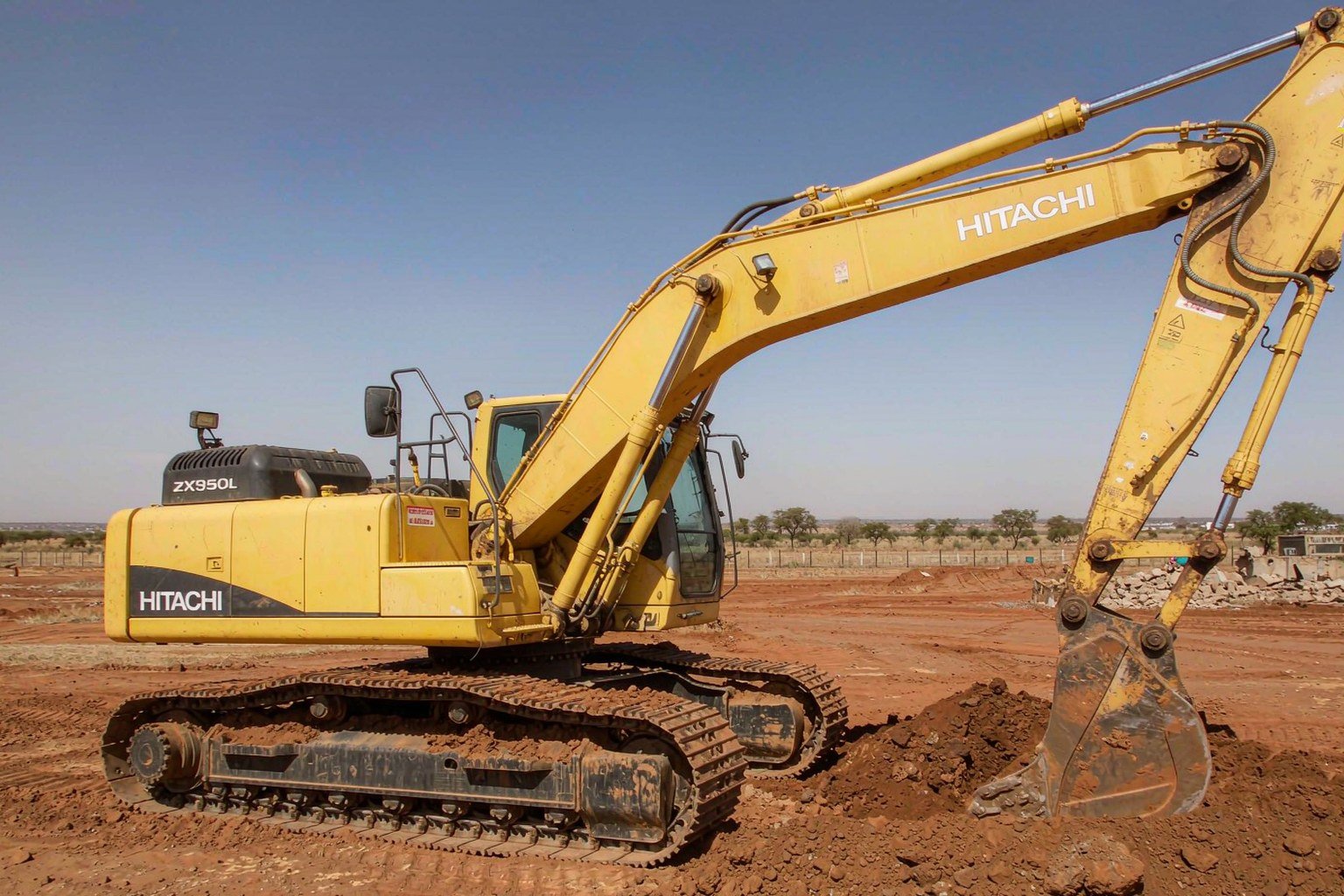
If you have ever replaced seals, filters, pumps and bearings on an excavator only to watch the hydraulic oil temperature climb again an hour into the shift, you are not alone. It is one of the most frustrating faults in the workshop: every wearable part is new, yet the gauge keeps climbing past 85 °C, the oil turns dark, and the machine slows down like it is walking through mud. Before you tear the pump apart again, look at two small parts most people never inspect — the hydraulic check valves (item No.02 and No.09 on the system drawing). When they stick open, hot oil bypasses the radiator and returns straight to the tank, and no amount of new seals will fix that.
1. How Hydraulic Check Valves Protect Your Cooling System
Most operators understand the big components: the hydraulic pump, the main control valve, the cylinders and the radiator. But between the return line and the oil tank sit two small check valves that act as gatekeepers for the entire cooling circuit.
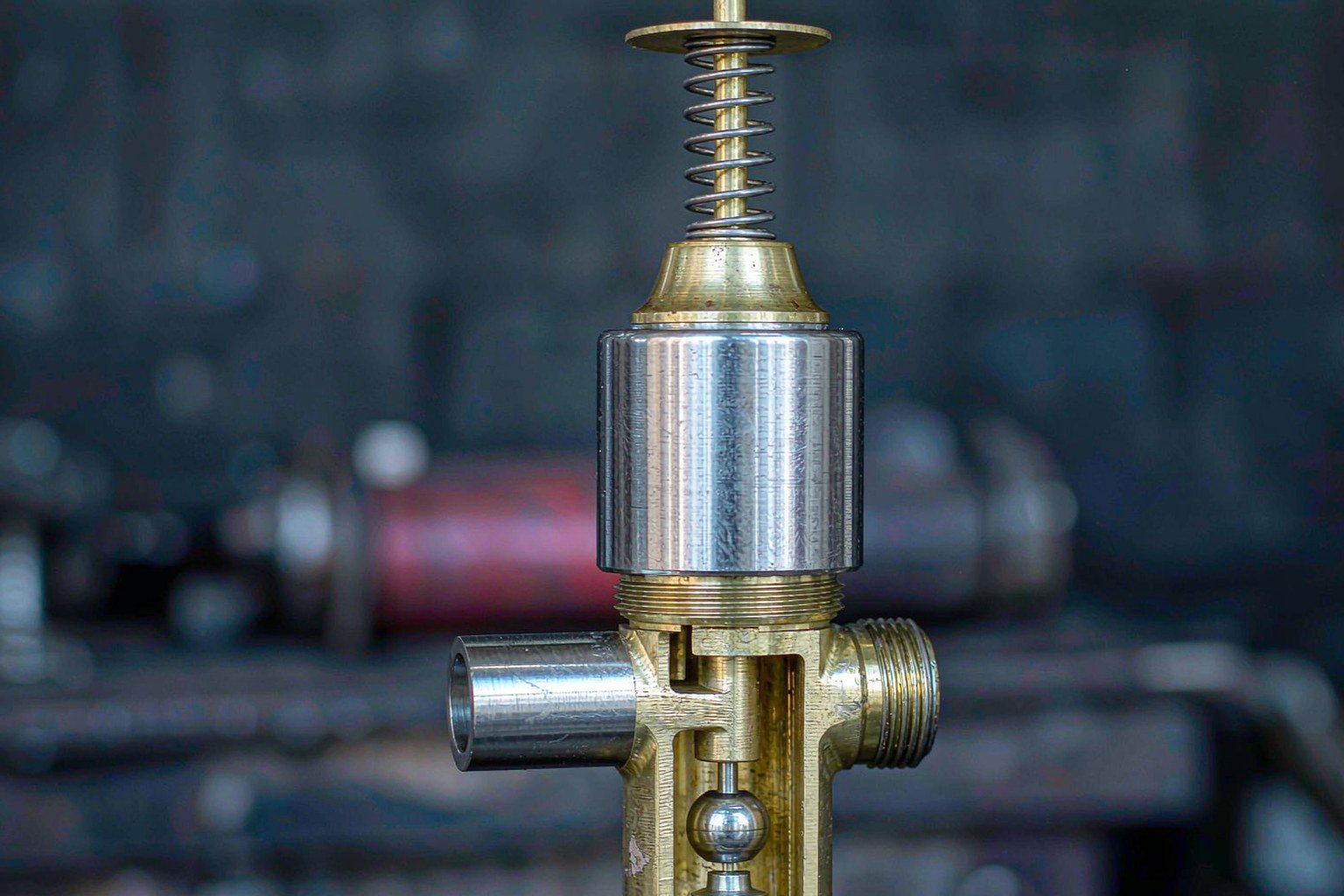
Here is how they work. When the hydraulic pump is running, the high pressure generated inside the pump pushes open the check valves, and hydraulic oil flows through the lines to the main control valve to power the boom, arm, bucket and travel. Once the pump stops or system pressure drops, the check valves close automatically under the combined force of their internal spring and reverse oil pressure. That closure cuts the oil circuit in time and prevents high-pressure oil from flowing back to the tank or the suction side.
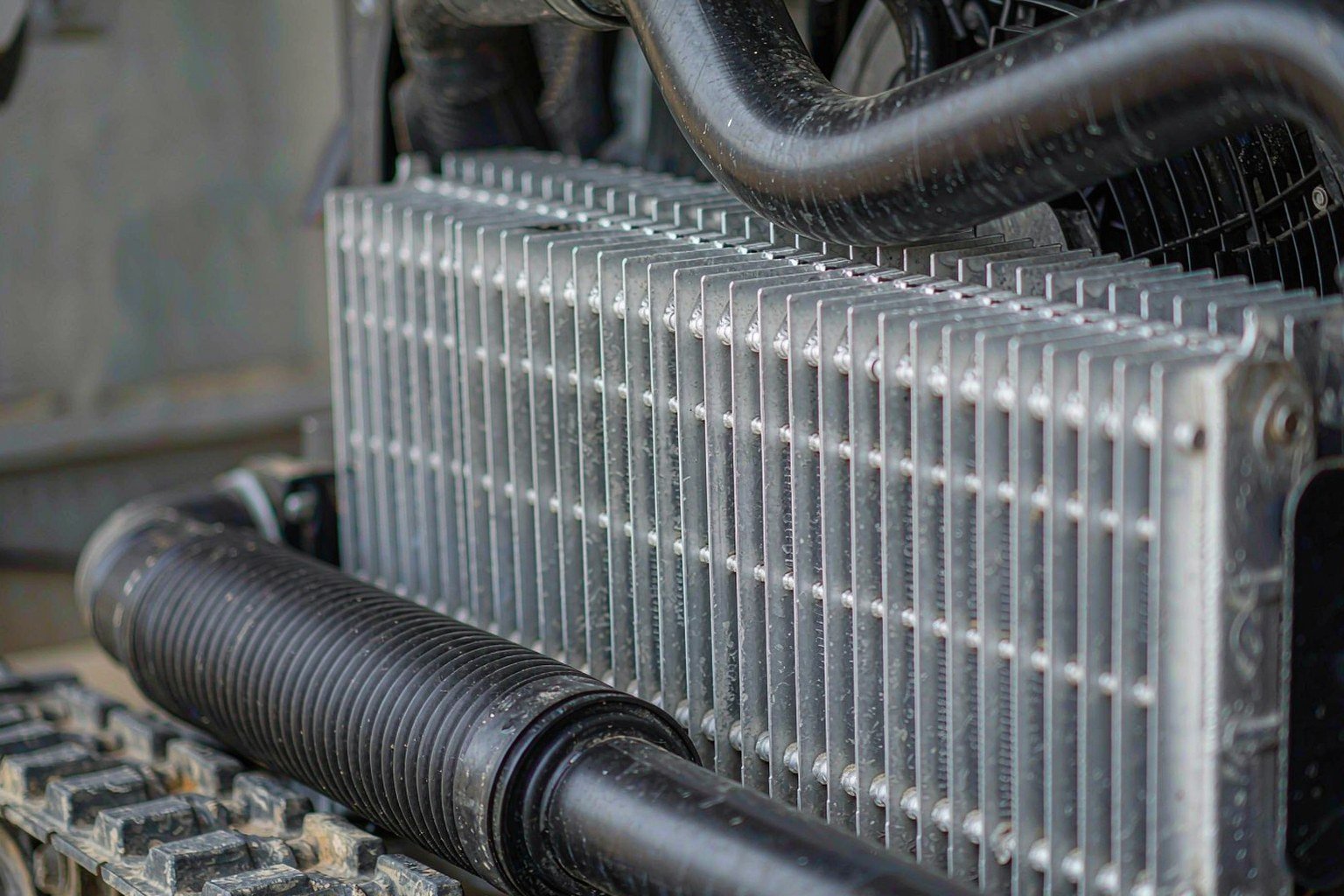
In the return line, the check valves are arranged in parallel with the hydraulic oil cooler (radiator). Under normal conditions, return oil passes through the cooler, where aluminum fins and fan airflow strip away heat. The check valves only open as a bypass when the pressure difference across the cooler exceeds a set value — typically around 0.185 MPa — protecting the delicate cooler core from cold-oil pressure spikes at startup. As soon as the oil warms up and flows freely, the bypass closes and the oil routes back through the radiator.
If you want to understand the pressures the main pump generates and how they interact with the cooling circuit, our excavator hydraulic pump buyer’s specification guide breaks down the numbers.
2. The Real Cost of High Oil Temperature
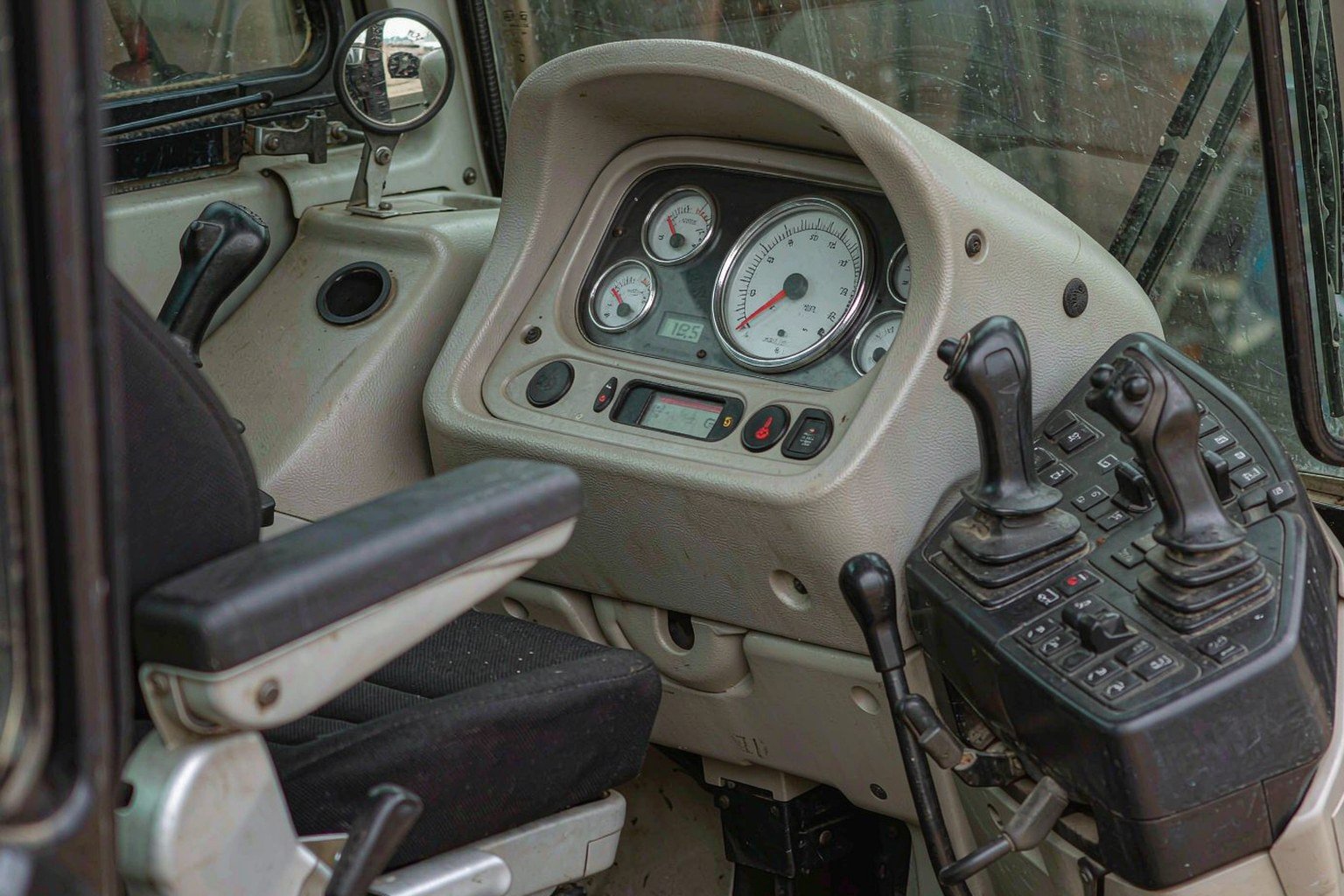
In a healthy excavator, hydraulic oil should run between 50 °C and 70 °C. When it climbs above 85 °C (185 °F), the oil film between moving parts starts to break down, viscosity drops, and dynamic seals begin to harden and crack. Above 90 °C, warning lamps trigger and the operator smells burnt oil. At 106 °C, some machines will alarm and de-rate automatically.
The damage does not stop at the gauge. Hot oil oxidizes faster — roughly doubling its oxidation rate for every 10 °C rise — turning the fluid dark brown or black and producing varnish that sticks to spools and valve bores. Pump internal slippage increases, cylinders slow down, and seal failures multiply. In short, overheating is a symptom of system inefficiency, and wasted pressure energy is converted directly into heat.
| Symptom | What the operator notices | What is happening inside the system |
|---|---|---|
| Slow, weak operation | Boom and arm move sluggishly after midday | Oil viscosity drops; pump and motor internal slippage increases |
| High-pitched whine | Loud growl from the pump housing | Hot oil thins out, worsening cavitation and gear wear |
| Burnt oil smell / dark fluid | Dipstick shows black oil; acrid smell | Oil oxidation and chemical breakdown accelerate above 85 °C |
| Warning lamp / alarm | Dashboard hydraulic high-temp light triggers | Temperature sensor hits 85–90 °C threshold |
| Sudden seal failures | Rod seals, valve spools and motor shaft seals leak | Heat hardens rubber; seals crack and lose elasticity |
| Increased fuel consumption | Machine burns more diesel for the same work | Pump works harder to compensate for lost pressure and flow |
For a comprehensive technical breakdown of heat generation sources in excavator hydraulics, the hydraulic oil overheating troubleshooting guide at Mecatra covers cooler efficiency, pump case-drain flow tests and relief-valve hotspots in detail.
3. The Hidden Culprit — When Check Valves Stick Open
Because the check valves are small and often buried at the bottom of the return filter housing, they are easy to overlook. Yet they are a primary cause of persistent high oil temperature — especially on machines where every other wearable part has already been replaced.
When a check valve sticks in the normally open position, hot return oil no longer passes through the radiator. Instead, it takes the bypass path straight back to the tank. The oil that should be cooled circulates again and again, carrying more heat into the system with every pass. The radiator inlet and outlet pipes feel equally hot because almost no oil is flowing through the cooler at all.
Three things cause the valve to stick open:
- Oil contamination. Long intervals between oil changes let fine debris, oxidation by-products and metal particles build up between the valve poppet and seat. The grit prevents the poppet from seating fully.
- Spring failure. A fatigued or broken spring cannot push the poppet closed against reverse pressure. Without spring force, the valve defaults to open.
- Varnish and lacquer. Oxidized oil leaves a sticky film on the valve body. The poppet literally glues itself in the open position, especially after a hot shutdown.
A documented case on a Hyundai R305LC-7 illustrates the point perfectly. After two hours of continuous work the hydraulic oil temperature alarm triggered at 106 °C. System pressure tested normal, but the return-oil pressure measured at the check valve inlet was only 0.04 MPa — far below the normal 0.3 MPa. Infrared thermometer readings showed the radiator inlet and outlet were both 64 °C with almost no temperature difference. After removing the check valve, technicians found the poppet stuck open by varnish and contamination. Cleaning and light grinding restored normal flow, and oil temperature dropped back into the safe range.
That case study is detailed in full at this R305LC-7 hydraulic oil temperature diagnostic report, including the step-by-step pressure and temperature readings that proved the fault.
If your machine also logs coolant or engine temperature faults alongside hydraulic heat, the Hitachi coolant temperature sensor (4436537) is worth testing before you open the hydraulic system.
4. Field Diagnosis — Two Tests That Cost Nothing
You do not need an electronics lab to confirm a stuck check valve. Two simple field tests — one with an infrared thermometer, one with a pressure gauge — will tell you in under ten minutes.
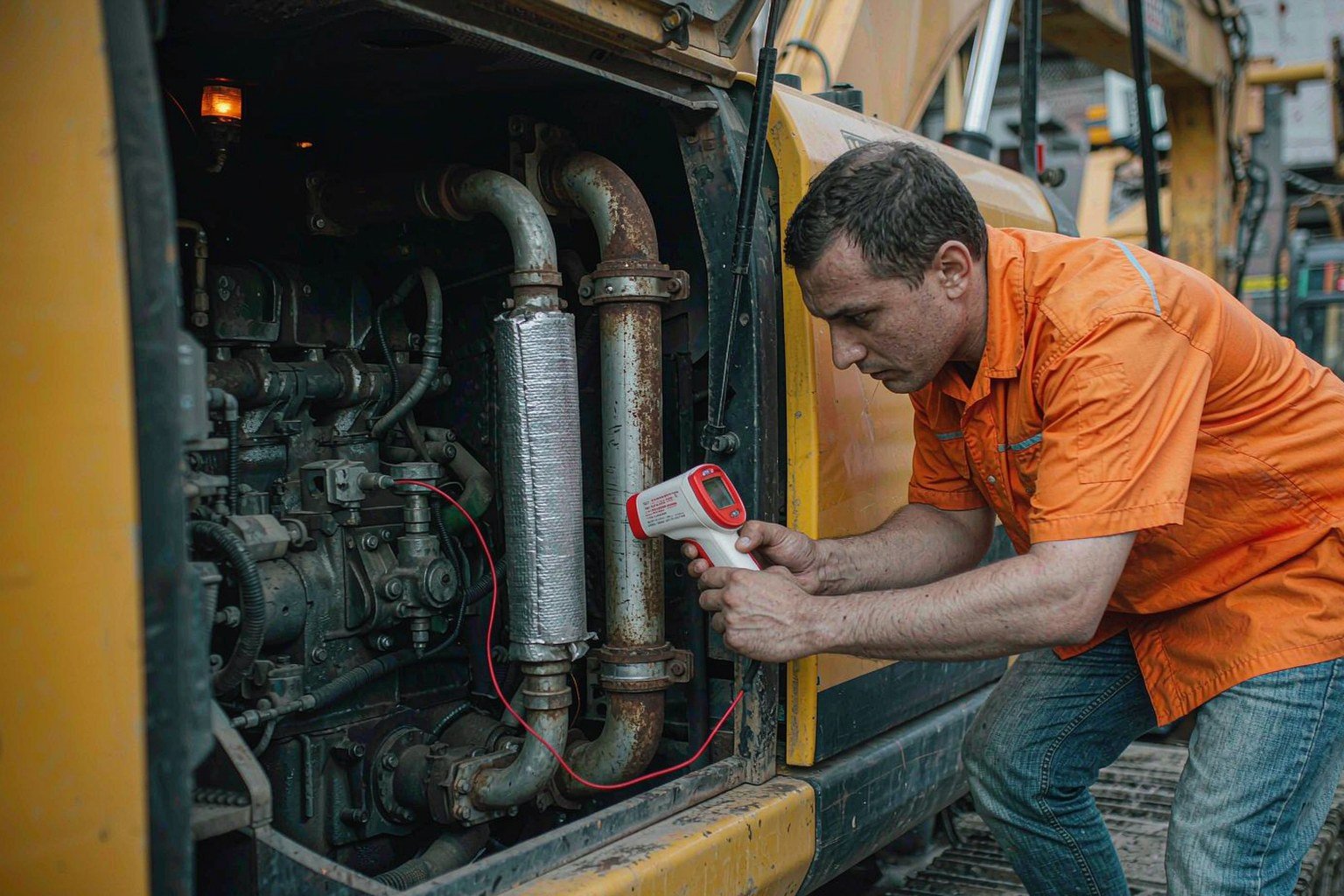
Test 1: Temperature drop across the cooler. Warm the machine until the gauge reads high. Use an infrared laser thermometer to measure the temperature of the oil cooler inlet pipe and the outlet pipe. A healthy cooler should show a temperature drop of 5 °C to 10 °C. If both pipes read nearly the same high temperature, oil is bypassing the cooler through a stuck-open check valve.
Test 2: Return-oil pressure at the check valve. Install a pressure gauge at the inlet of the parallel check valve. Normal return pressure should be roughly 0.3 MPa under working load. If the reading is down near 0.04 MPa, the valve is open and oil is flowing straight back to the tank without resistance.
Test 3: Cooler internal pressure differential. To rule out a blocked radiator core, install gauges at the cooler inlet and outlet. At roughly 45 °C oil temperature, the pressure difference should be below 0.12 MPa. A reading above 0.12 MPa means the cooler core itself is internally blocked — a different fault that also raises temperature, but one that requires radiator cleaning or replacement rather than a valve repair.
For a broader look at how return-line filter check valves interact with the cooling circuit in different excavator brands, the analysis of hydraulic heating failure by component maps the schematic relationships clearly.
On machines with a hydraulically driven cooling fan, a failing Hitachi hydraulic fan pump can also starve the radiator of airflow. Check fan speed before you conclude the valve is the only fault.
5. Repair, Replacement and Prevention
Once the diagnosis points to the check valve, the fix is straightforward and cheap compared with replacing a main pump.
- Inspect every time you change hydraulic oil. The valve is at the bottom of the return filter housing — pull it out, do not just drain the oil and walk away.
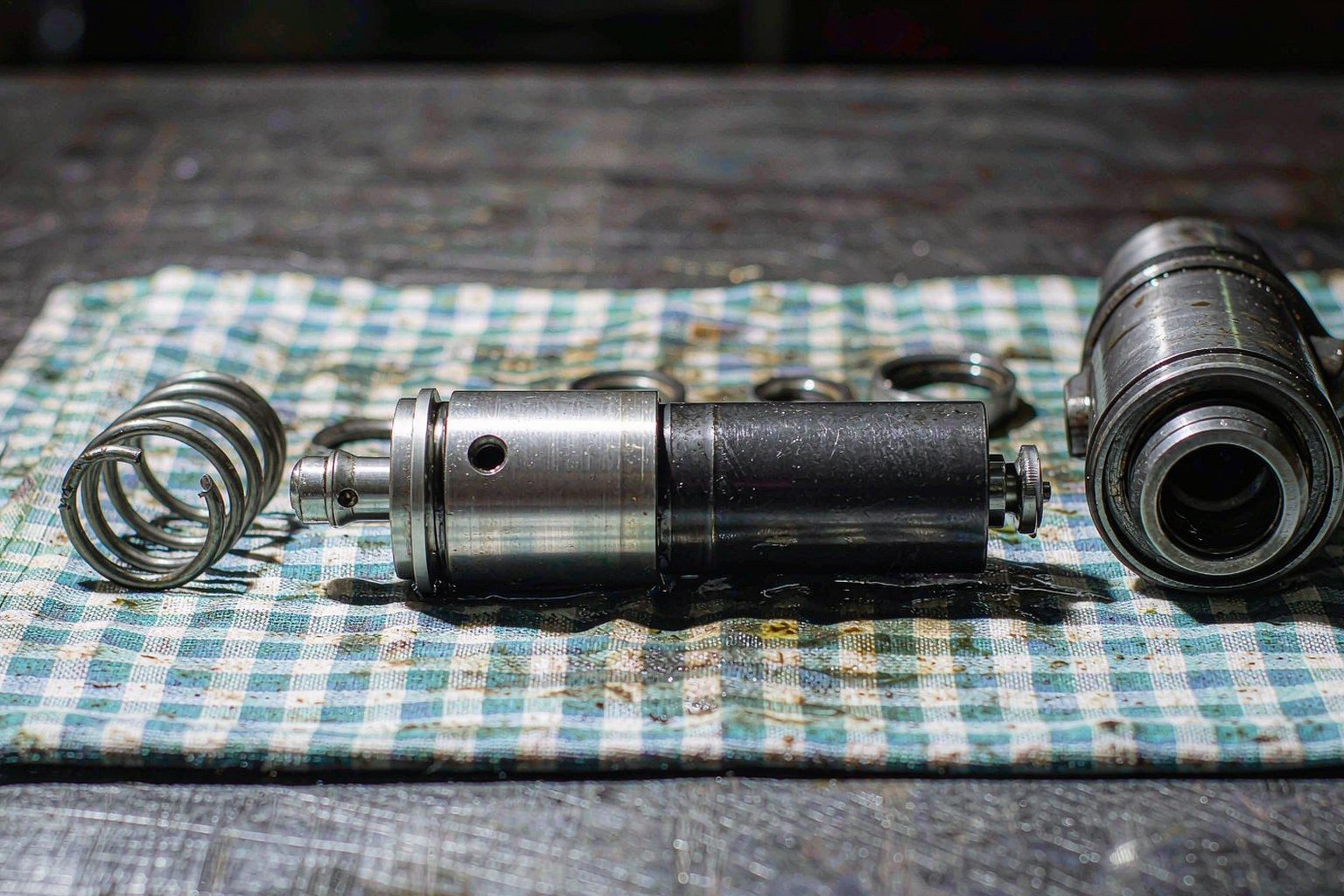
- Check the spring. A broken or fatigued spring is the fastest single failure to spot. Replace it with the correct rate and free length for your machine model.
- Inspect the poppet and seat. Look for scoring, pitting or embedded debris. Light polishing can restore a worn seat; deep scoring means replacement.
- Clean varnish and sludge. Use a parts washer and soft brush. Do not force a wire brush into the bore — you will change the clearance and create a leak path.
- Replace seals and O-rings. Always fit new seals when the valve is apart. Heat-hardened O-rings are a common secondary leak path.
- Flush the circuit and change the oil. Contaminated oil will simply re-foul the valve within hours. Use the viscosity grade the manufacturer specifies for your ambient temperature range.
- Clean the cooler exterior. Mud, dust and plant debris between the radiator fins are a leading cause of poor heat transfer on African job sites. Blow the fins out weekly in dusty conditions.
Clean oil is the cheapest insurance in the book. If your machines work in the red-dust conditions common around Nairobi, Mombasa and the Rift Valley, cut the oil-change interval by 20 % and inspect the check valve at every service.
If the pump itself is still misbehaving after the valve and cooler check out, the Hitachi angle sensor (4444902) — the swashplate position feedback — is the next logical component to test, because a pump that cannot sense its own stroke will overwork and add unnecessary heat.
6. Sourcing Check Valves, Coolers and Seals in Kenya
Kenya is one of the busiest construction equipment markets in East Africa. Under Vision 2030 and the Big Four Agenda, annual construction output exceeds $12 billion, with more than 10,000 kilometres of roads under development and over 40 active mining and quarrying projects driving excavator demand. That scale means a large, aging fleet now needs routine cooling-system parts — check valves, cooler cores, fan pumps, seals and filters.
Import data for radiators and cooler assemblies (HS code 870891) shows where Kenya sources these components. In 2024, Kenya imported radiators worth roughly $3.35 million globally. China supplied the largest share at about $1.25 million (317 tonnes), followed closely by Japan at roughly $1.16 million (424 tonnes). South Africa, India and Germany round out the top suppliers. For excavator owners and workshops, that means reliable supply chains already exist from Asia into Mombasa and up-country to Nairobi.
| Supplier country | Trade value (USD) | Quantity (kg) | Context |
|---|---|---|---|
| World total | ~$3.35 million | 930,277 | All motor-vehicle radiators including excavator oil coolers |
| China | ~$1.25 million | 317,363 | Largest supplier by value and volume for aftermarket parts |
| Japan | ~$1.16 million | 424,038 | OEM source for Hitachi, Komatsu and other Japanese brands |
| South Africa | ~$268,500 | 38,697 | Regional aftermarket hub for East Africa |
| India | ~$200,000 | 37,318 | Growing supplier of cooling components and hose assemblies |
| Parameter | Normal range | Fault indicator | Likely cause |
|---|---|---|---|
| Hydraulic oil operating temperature | 50–70 °C | >85 °C sustained | Poor cooling or excessive heat generation |
| Cooler inlet / outlet temperature drop | 5–10 °C | ≈0 °C (both hot) | Oil bypassing cooler via stuck check valve |
| Return oil pressure at check valve | ~0.3 MPa | ~0.04–0.1 MPa | Check valve stuck open |
| Cooler internal pressure differential (≈45 °C) | <0.12 MPa | >0.12 MPa | Cooler core internally blocked |
| Check valve bypass opening pressure | ~0.185 MPa | Stuck open permanently | Contamination, broken spring or varnish |
| Hydraulic pump case drain flow | <5–10 % of rated output | Excessive flow | Pump internal wear generating heat |
When you order parts, a few rules keep downtime short and costs controlled:
- Match by part number and machine serial. Check valves, cooler cores and seal kits are model-specific. A valve for a ZX200 will not necessarily fit a ZX330.
- OEM vs. quality aftermarket. Genuine valves and springs are safest for critical circuits, but a well-made aftermarket check valve with a warranty can cut cost by 30–50 %.
- Order seal kits together. The O-rings and backup rings that seal the valve body often harden before the steel parts wear. Replacing them together avoids a second shutdown.
- Plan Mombasa-to-Nairobi logistics. Confirm lead time before your machine goes down. Express air freight is available for small valve and seal kits if the site is urgent.
For the broader picture of Kenya’s construction equipment parts demand, the World Bank WITS trade data on Kenya radiator imports gives a data-driven view of sourcing trends, and the Kenya excavator spares market overview outlines the infrastructure projects driving parts demand from Nairobi to Mombasa. Browse our full excavator parts catalog for check valves, cooler cores, fan pumps and seal kits with current availability.
The Bottom Line
When hydraulic oil temperature refuses to drop even after you have replaced every seal, filter and bearing, the fault is rarely in the new parts. Two small check valves control whether hot oil passes through the radiator or takes a shortcut back to the tank. Test them with a thermometer and a pressure gauge, clean or replace them, and keep the oil clean. That is how you stop the temperature climb without spending money on parts you do not need.